*Accommodation rates shown in the calendar below is for per person / per night. Please update the ‘Number of Guests’ to update the accommodation fee shown in the calendar.
*The initial rates shown in the calendar are for single occupancy (1 guest). Update the “Number of Guests” at the top of the calendar, and the rate per person will be displayed according to the number of guests.
‘Wakaba’ Kyoto Machiya Holiday Home
Kyoto Station Nishi Honganji Temple Traditional Japanese House

-
 ~
9 Guests
~
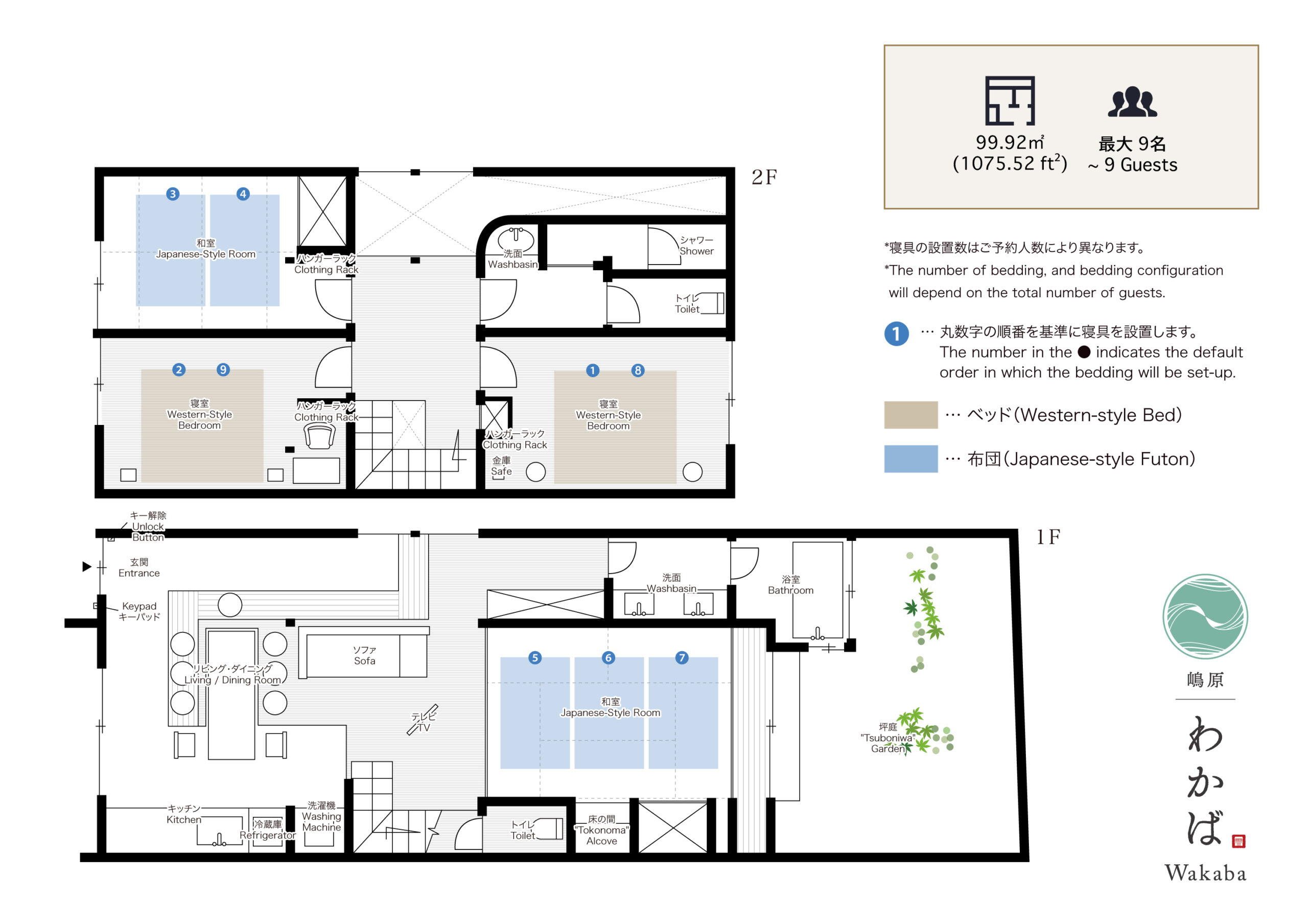
9 Guests  4 Bedroom(s)
 2 King Bed(s)
 5 Futons
 2 Bathroom(s)
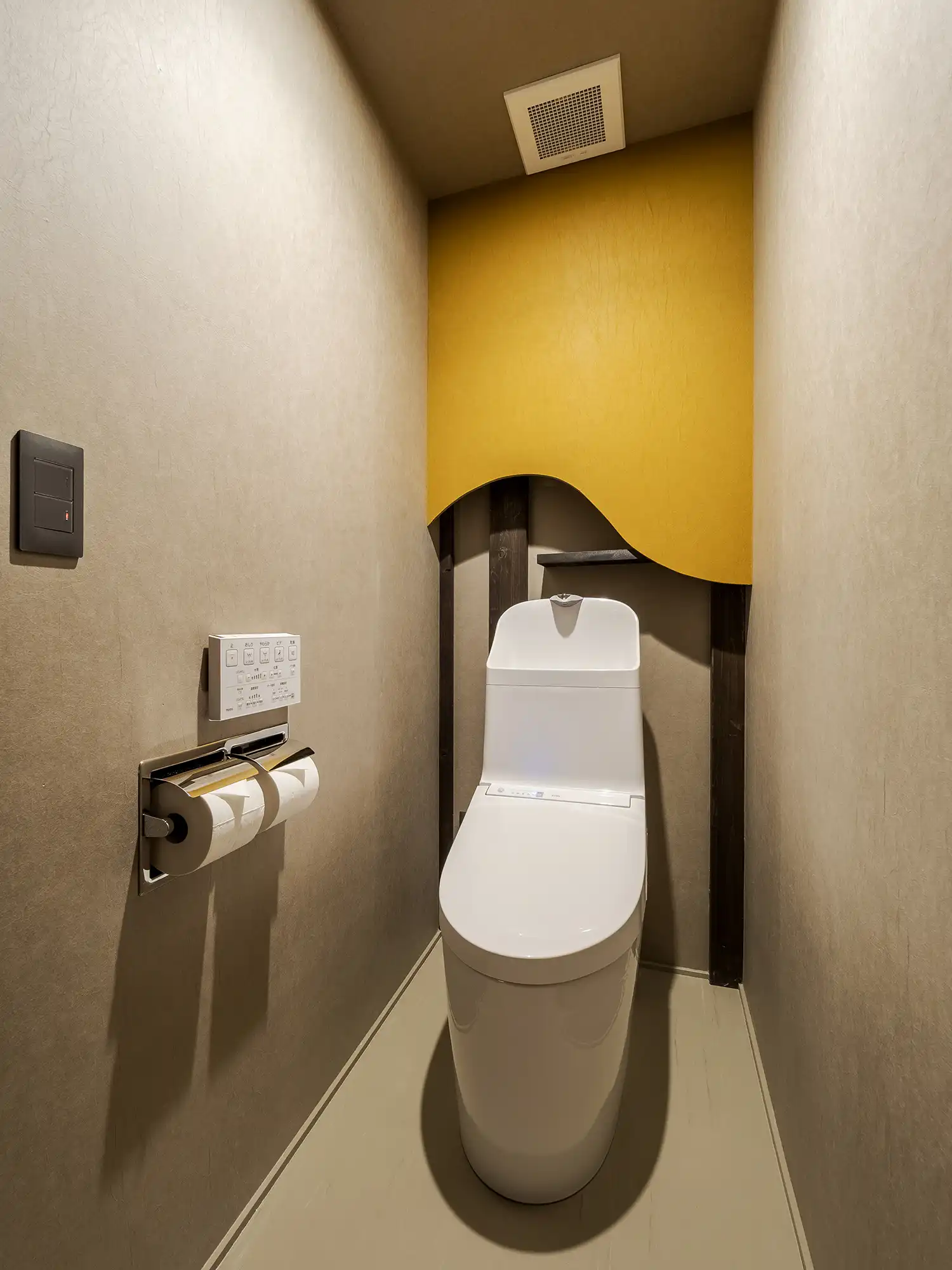
 2 Toilet(s)
 WiFi
WiFi Floor Heating
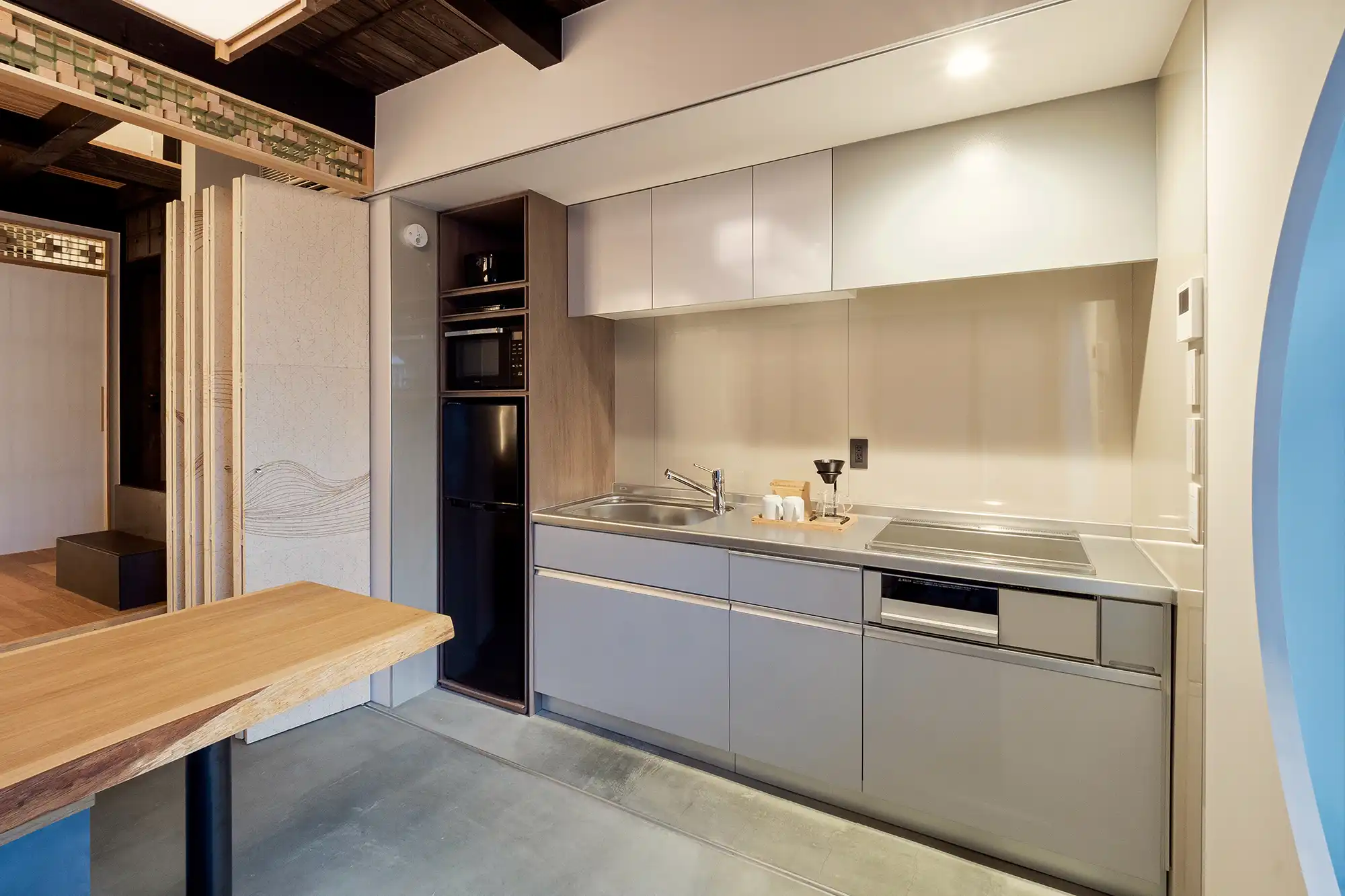
 Kitchen
 Electric Stove
 Microwave
 TV
TV Apple TV
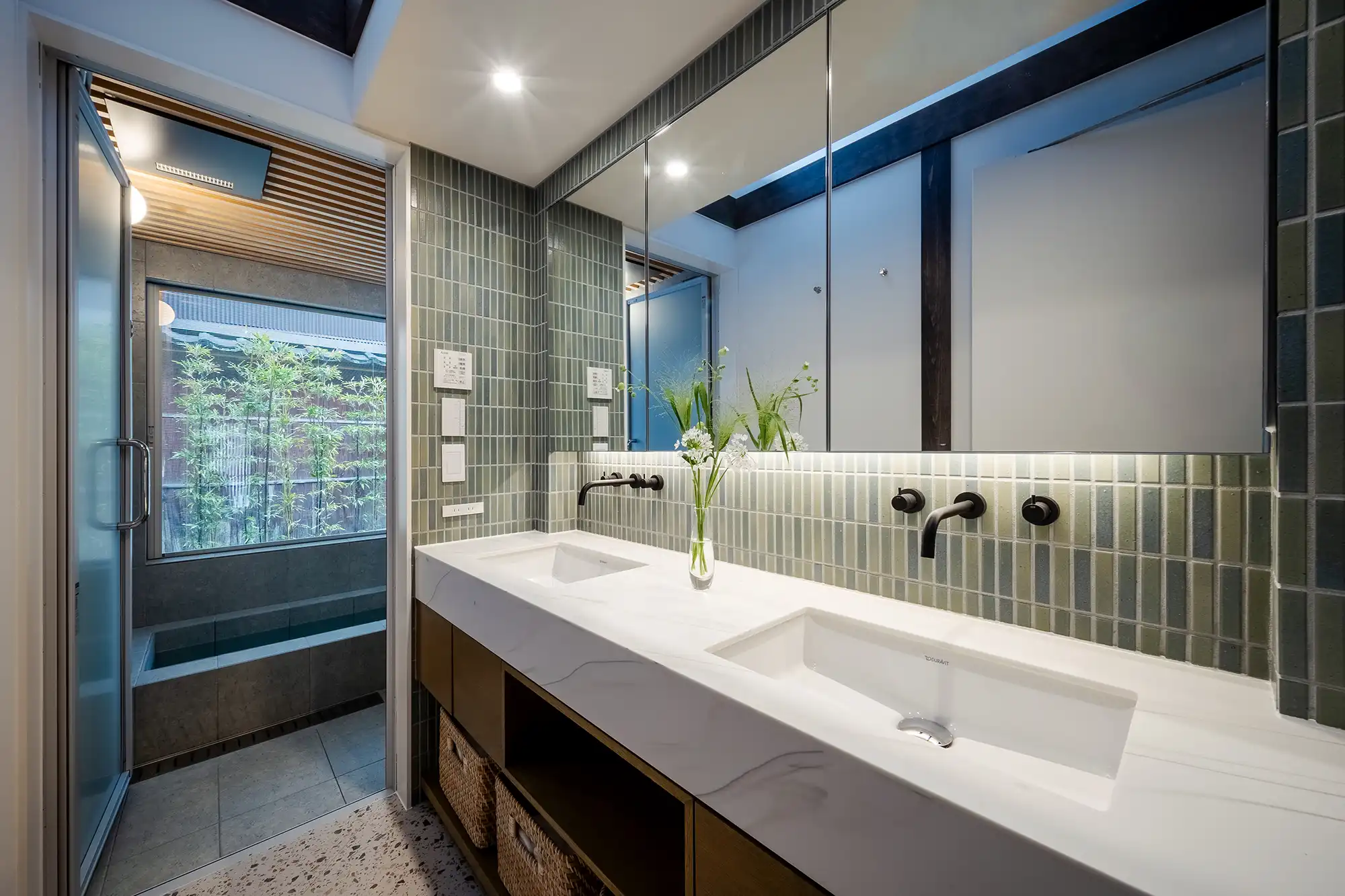
 Hairdryer
 Amenities
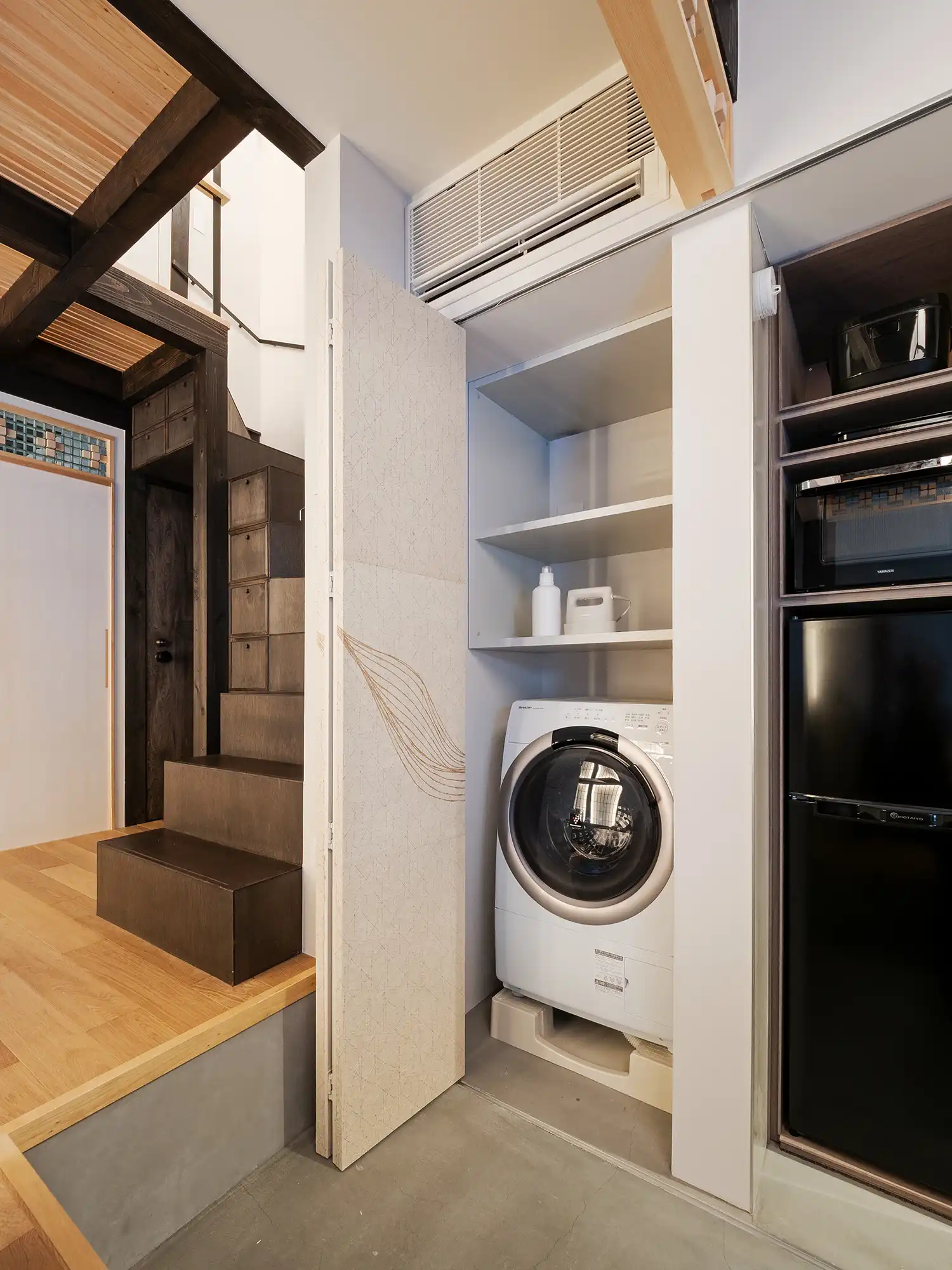
 Washing Machine
 Iron / Steamer
 AC (with Heater)
- Kitchen
- ・Refrigerator
・Induction Stovetop
・Microwave Oven
・Electric Kettle
・Rice Cooker
・Cookware
・Plates, Cups & Cutlery
・Kitchen Cloth, Sponge & Dish Soap
・Original MACHIYA Coffee
・Green Tea & Black Tea
- Bathroom
- ・Face & Bath Towels
・Hair Dryer
・Shampoo, Conditioner & Body Soap
・Hand Soap
- Amenities
- ・Toothbrush & Toothpaste
・Razor & Shaving Cream
・Cotton Set
・Wash Towel
・Mini Hairbrush
・Free WiFi
・Air Conditioner with Heater Function
・Washing Machine with Dryer Function & Laundry Detergent
・Clothing Steamer
Show all amenities
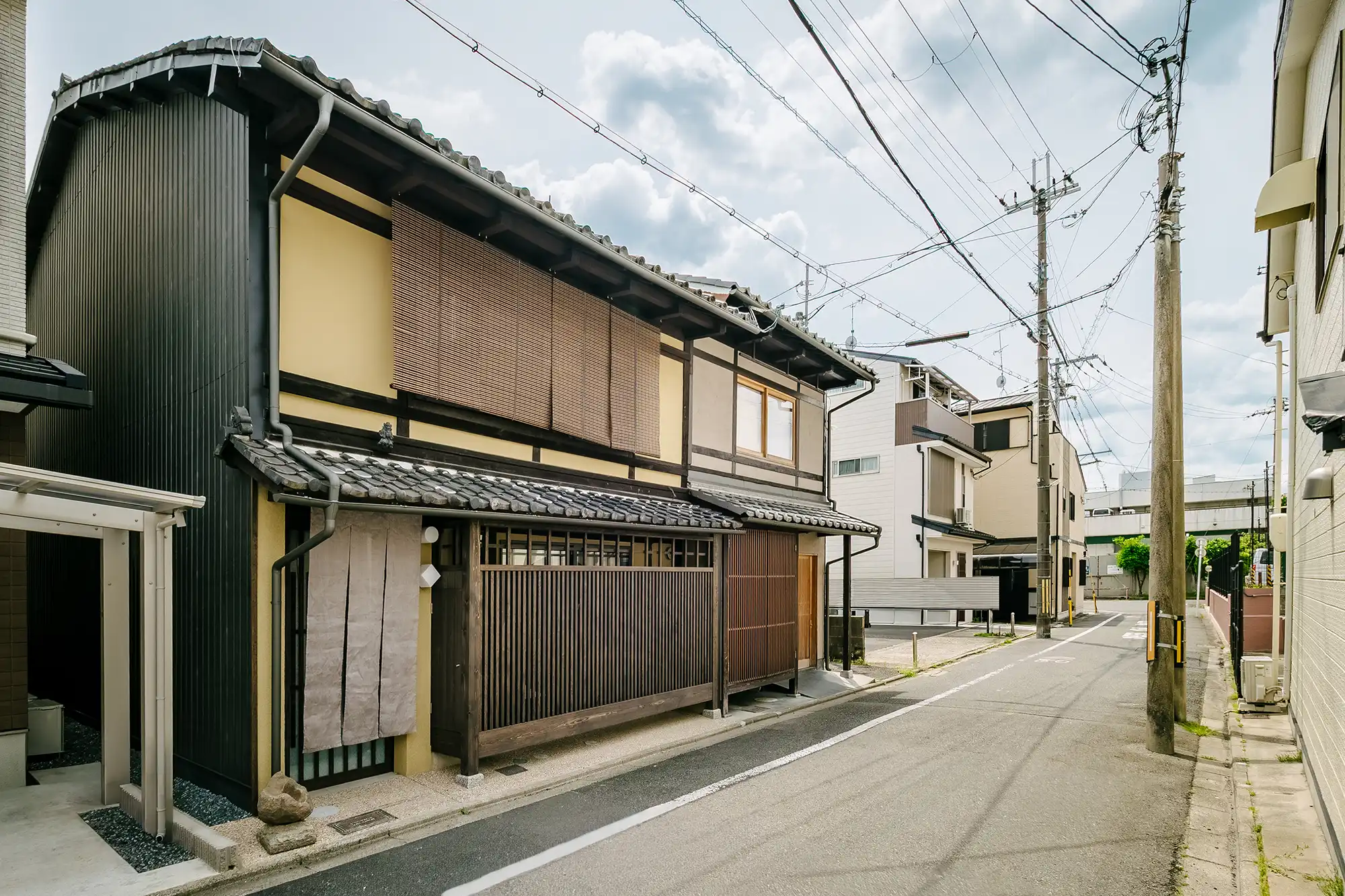
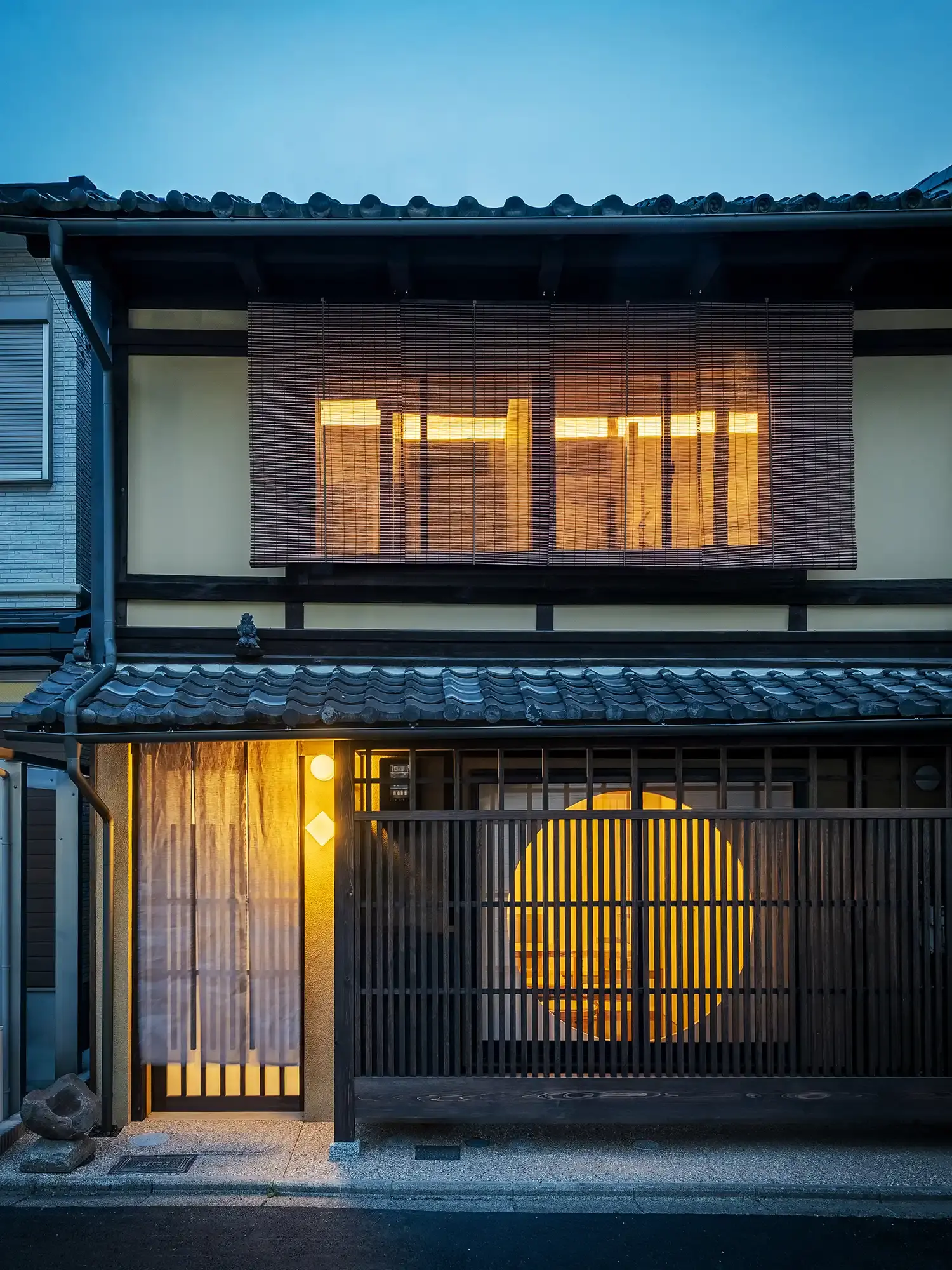
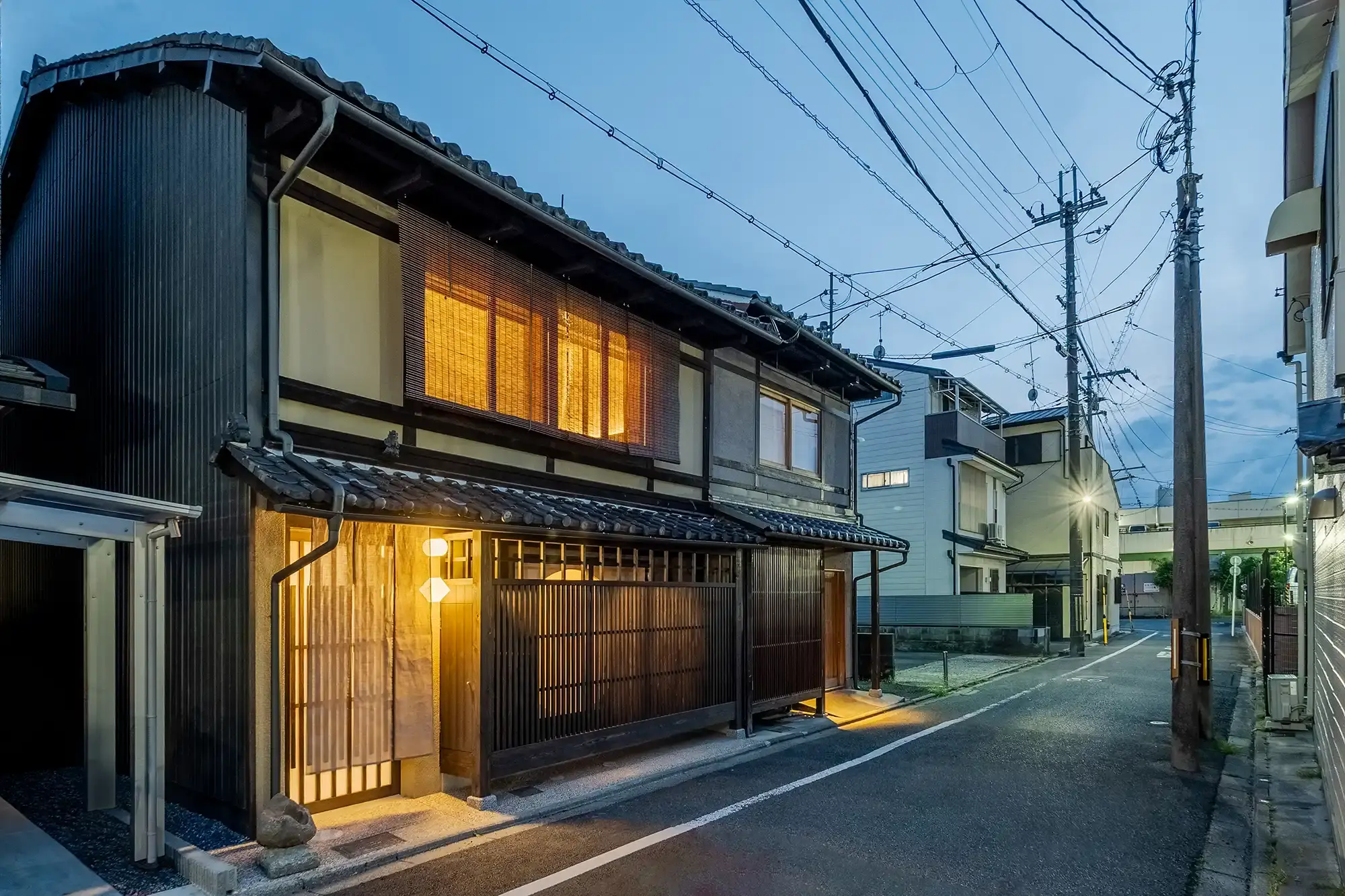
A 100-year-old traditional Japanese house located one train ride from Kyoto Station and Arashiyama Bamboo Forest, with easy access to Nijo Castle.
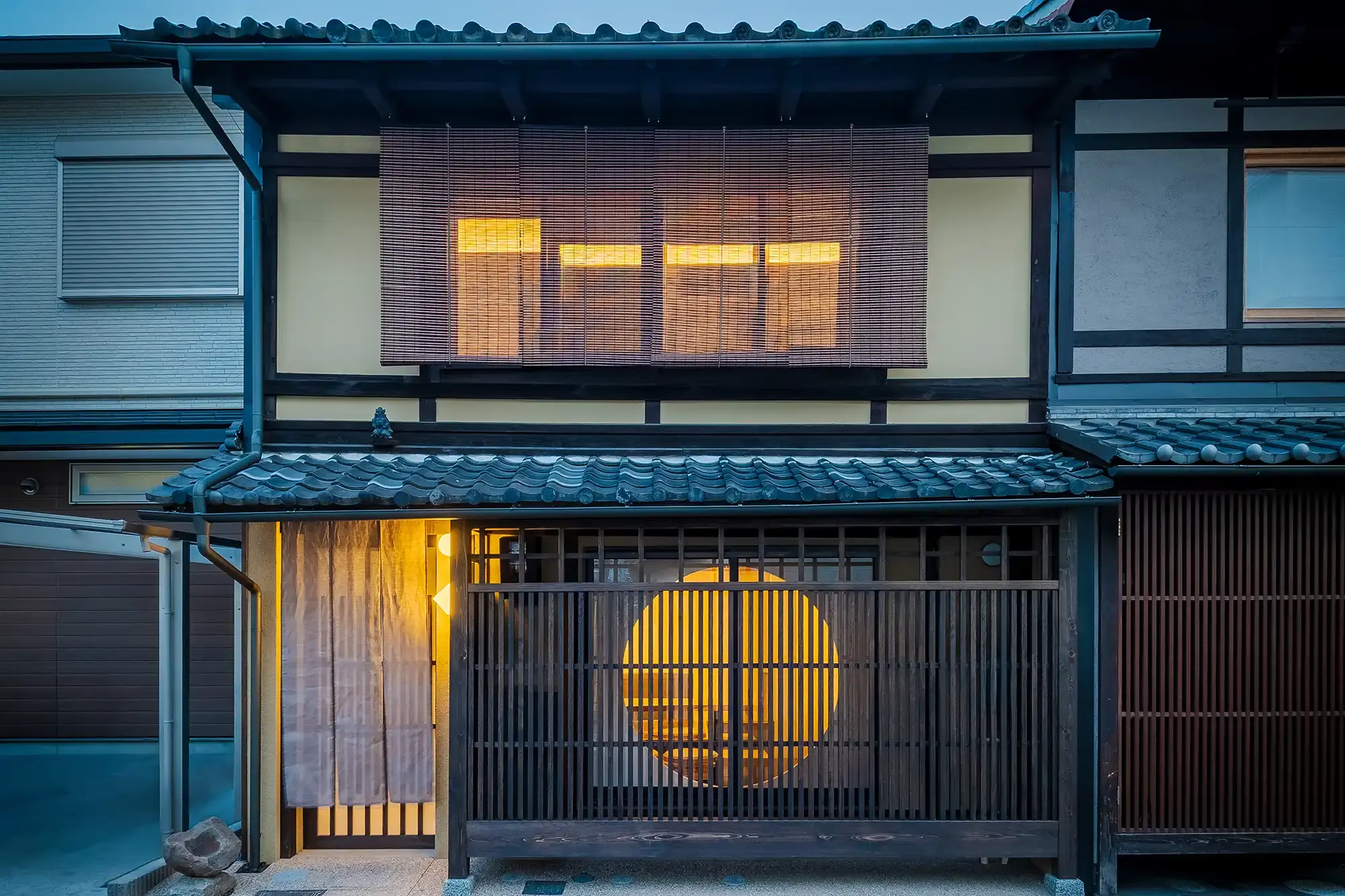
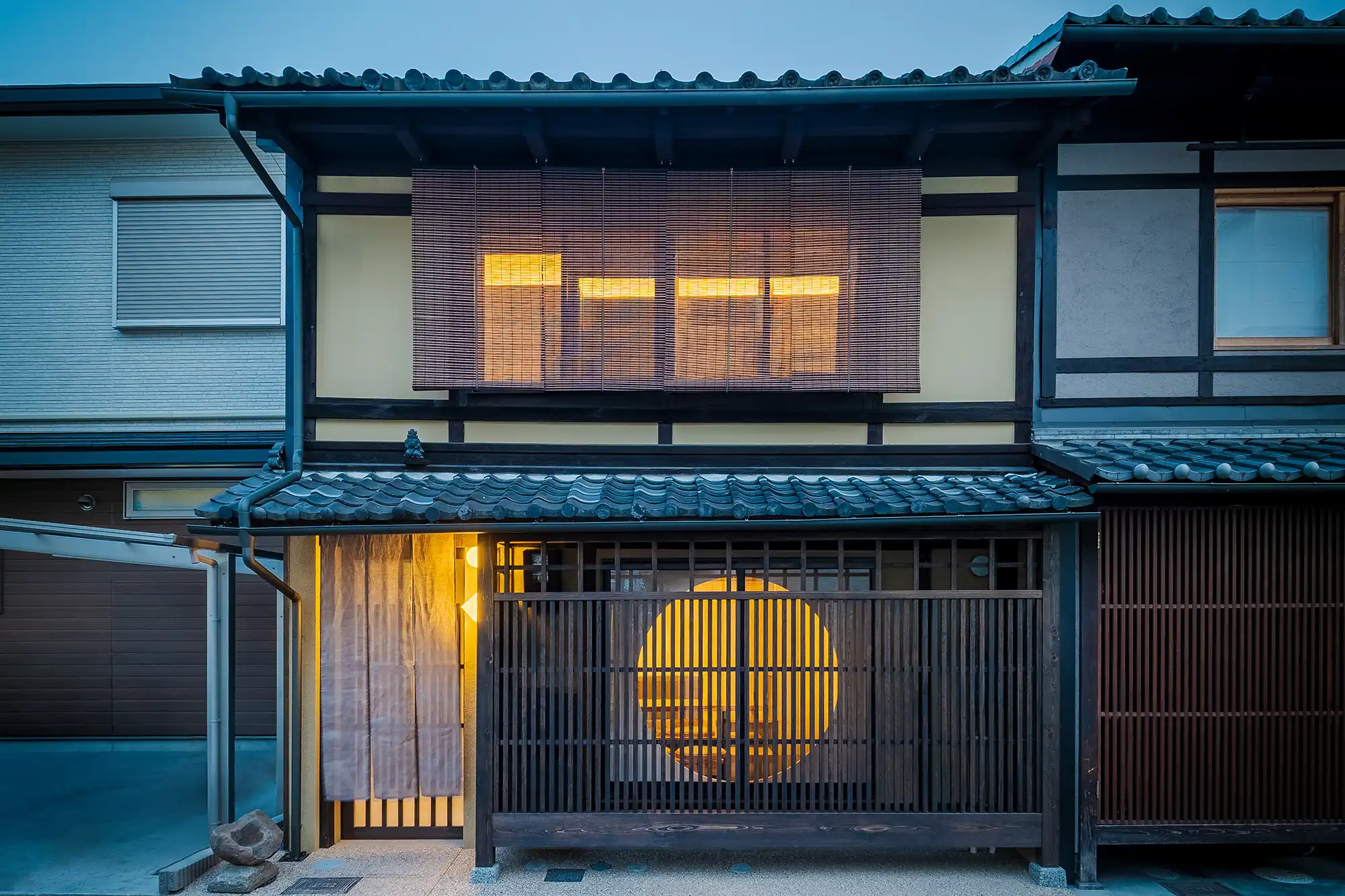
'Wakaba' Machiya House: a traditional Japanese holiday home (vacation rental) tucked within the historic Shimabara district, once Kyoto's officially recognized hanamachi during the Edo period. This restored machiya house is located near UNESCO World Heritage Site Nishi Honganji Temple, with easy access to Arashiyama Bamboo Forest, Nijo Castle, and Kyoto Station.
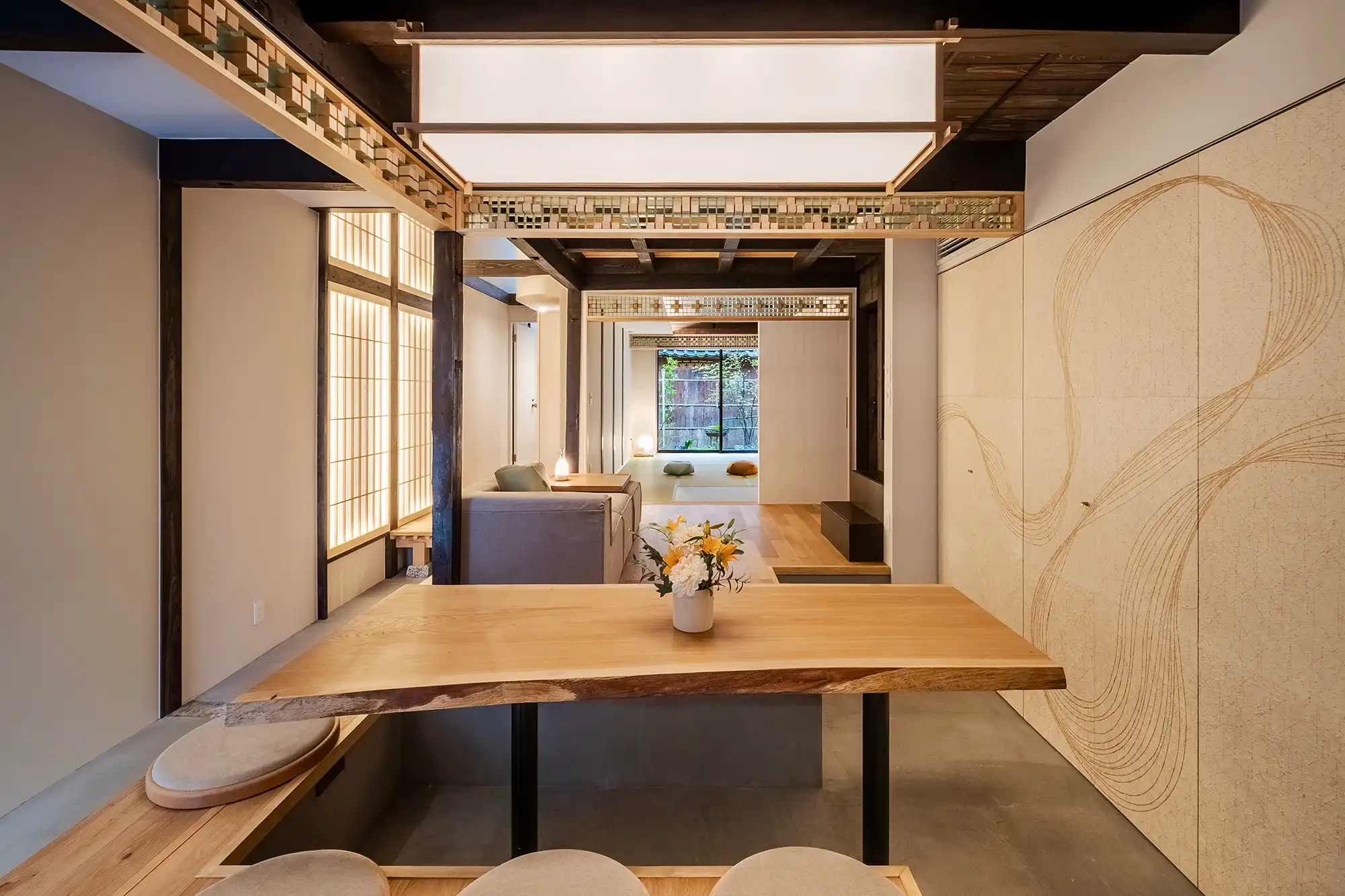
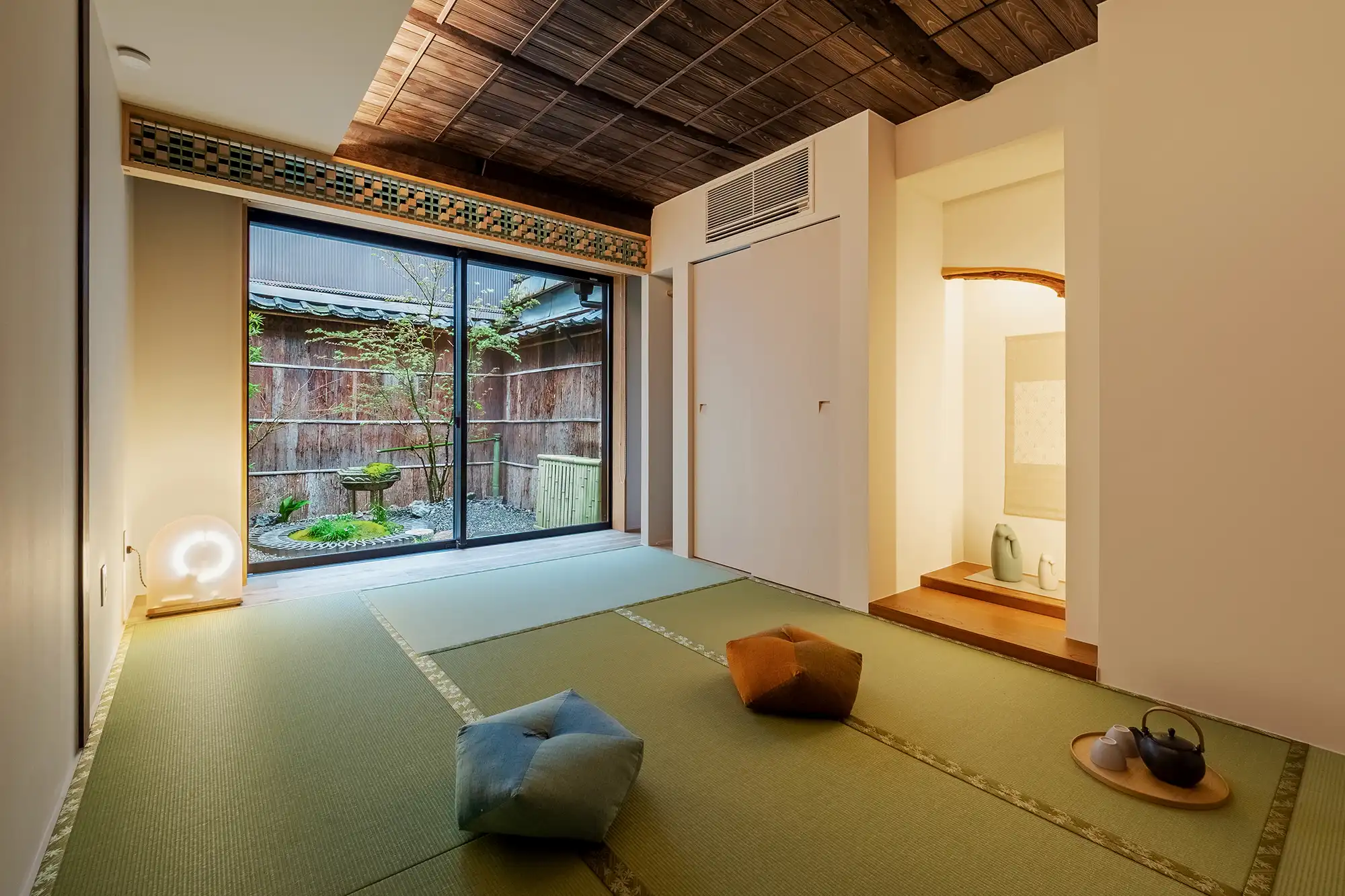
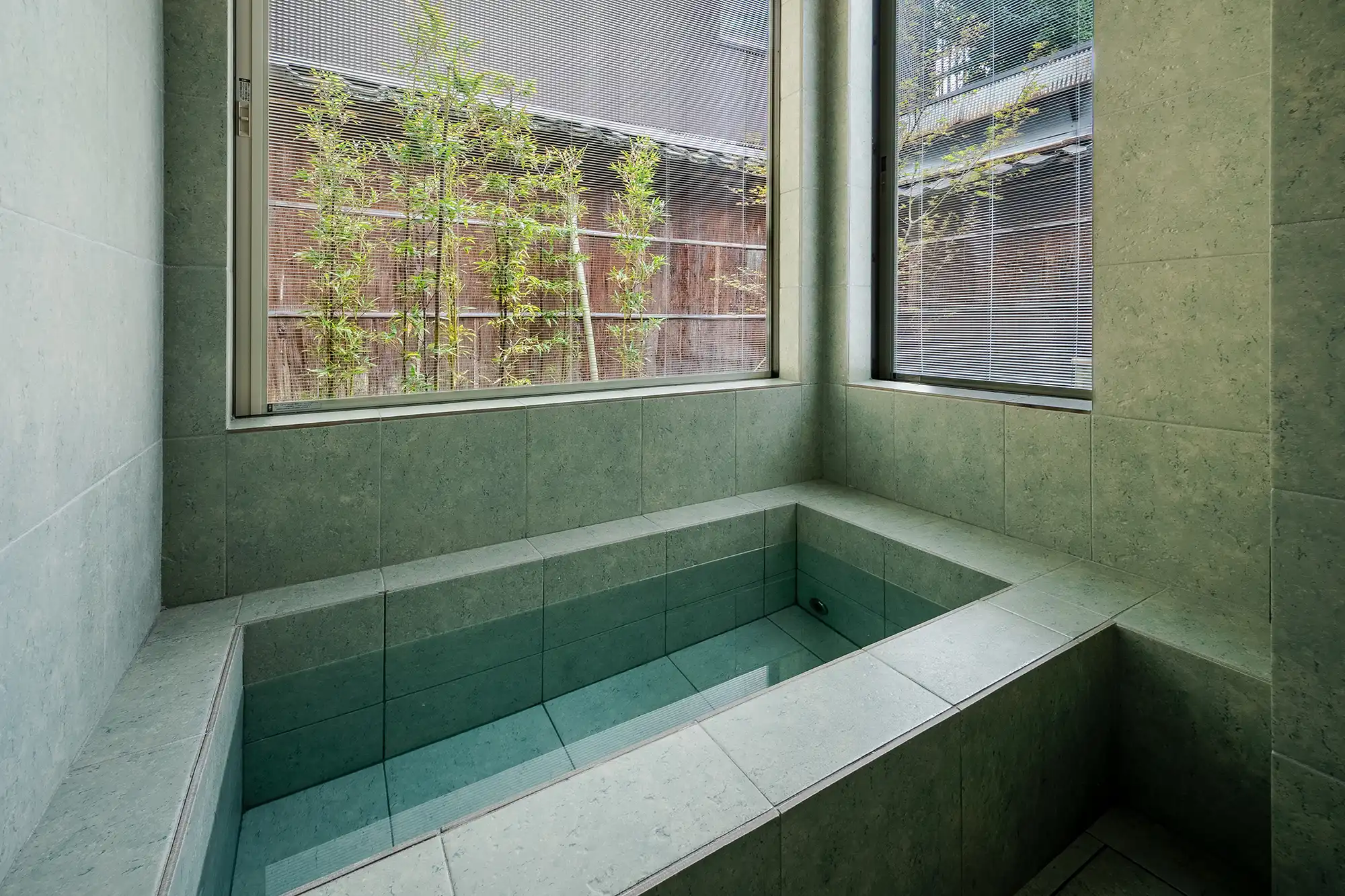
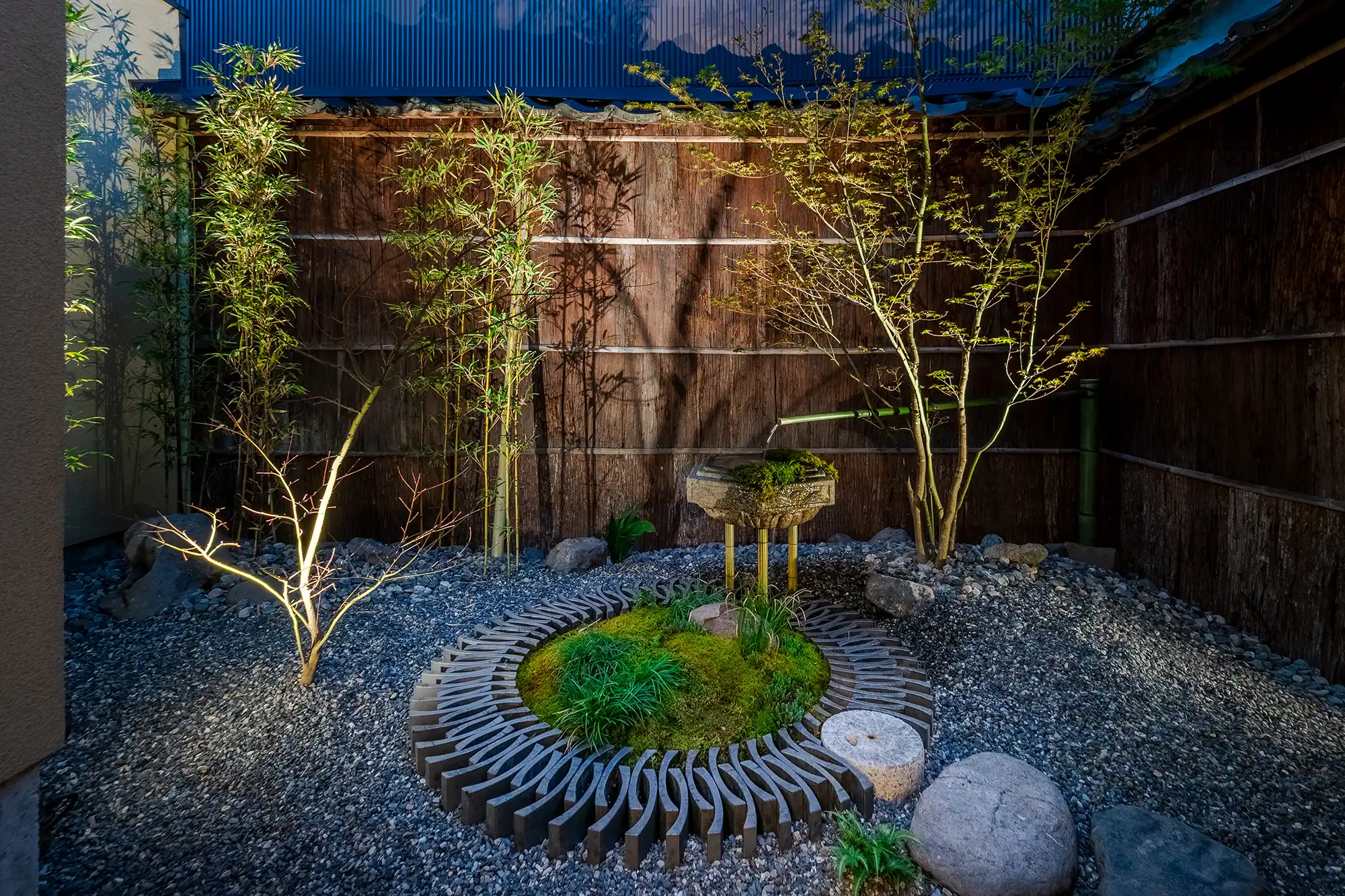
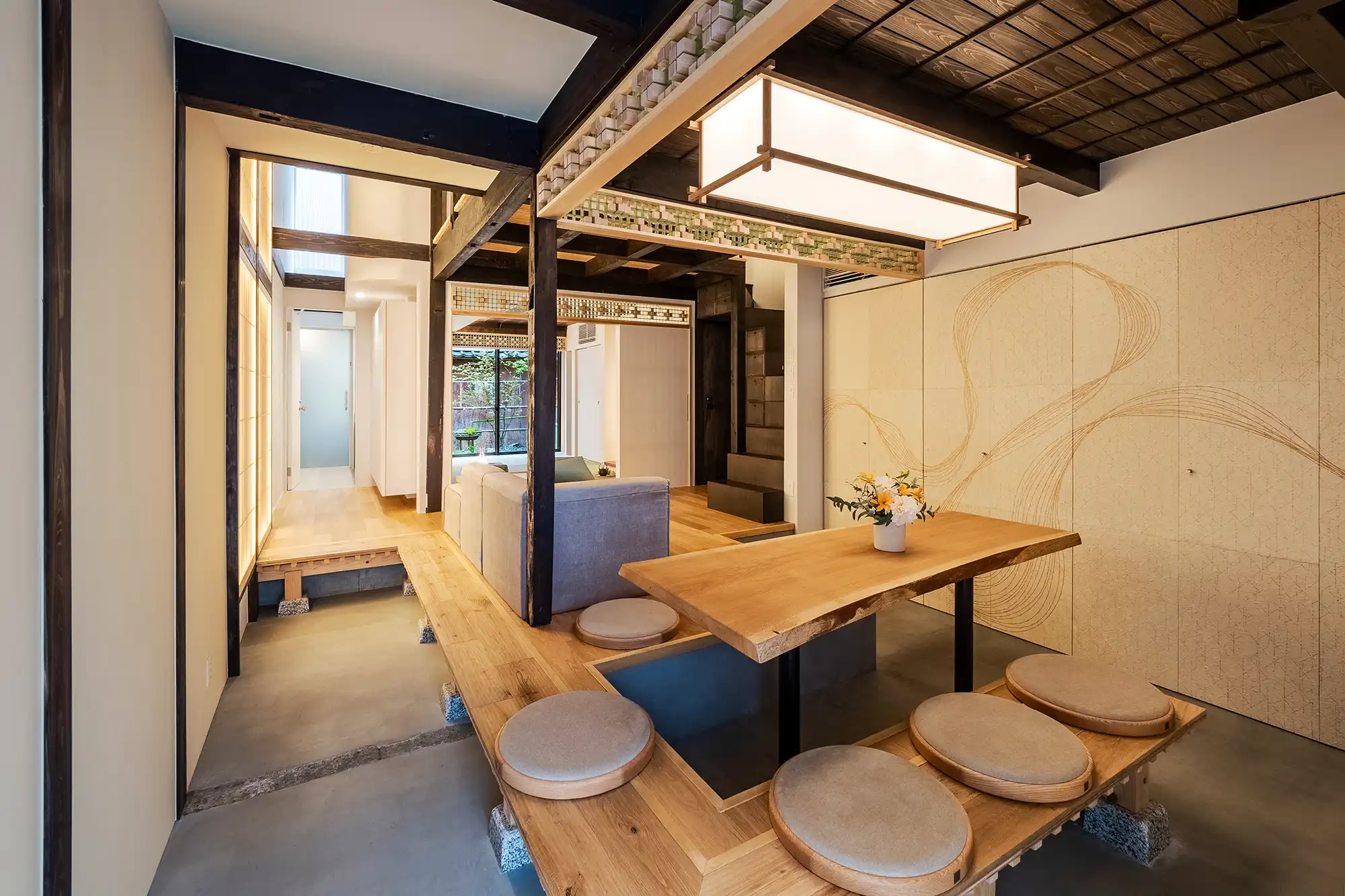
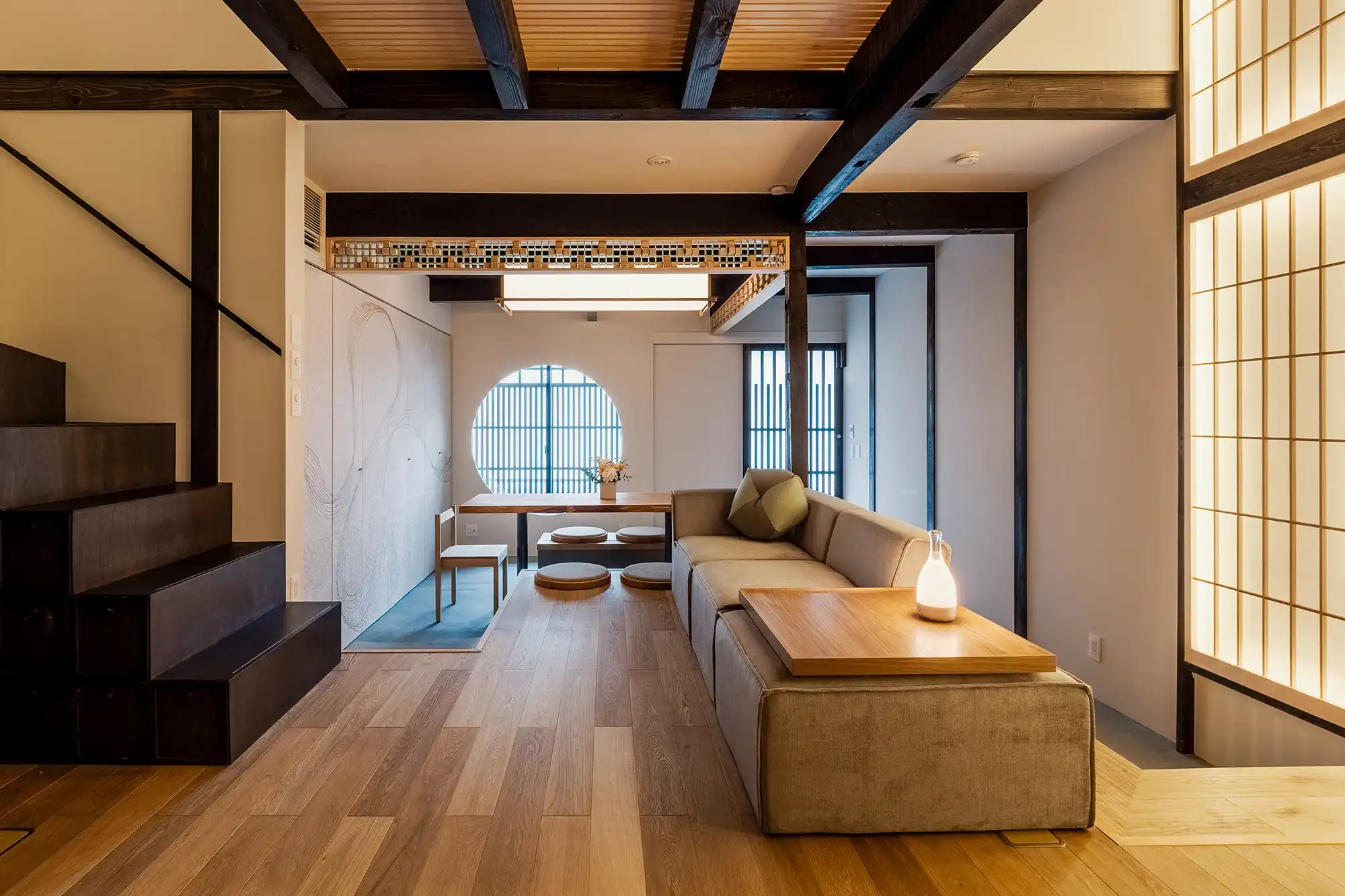
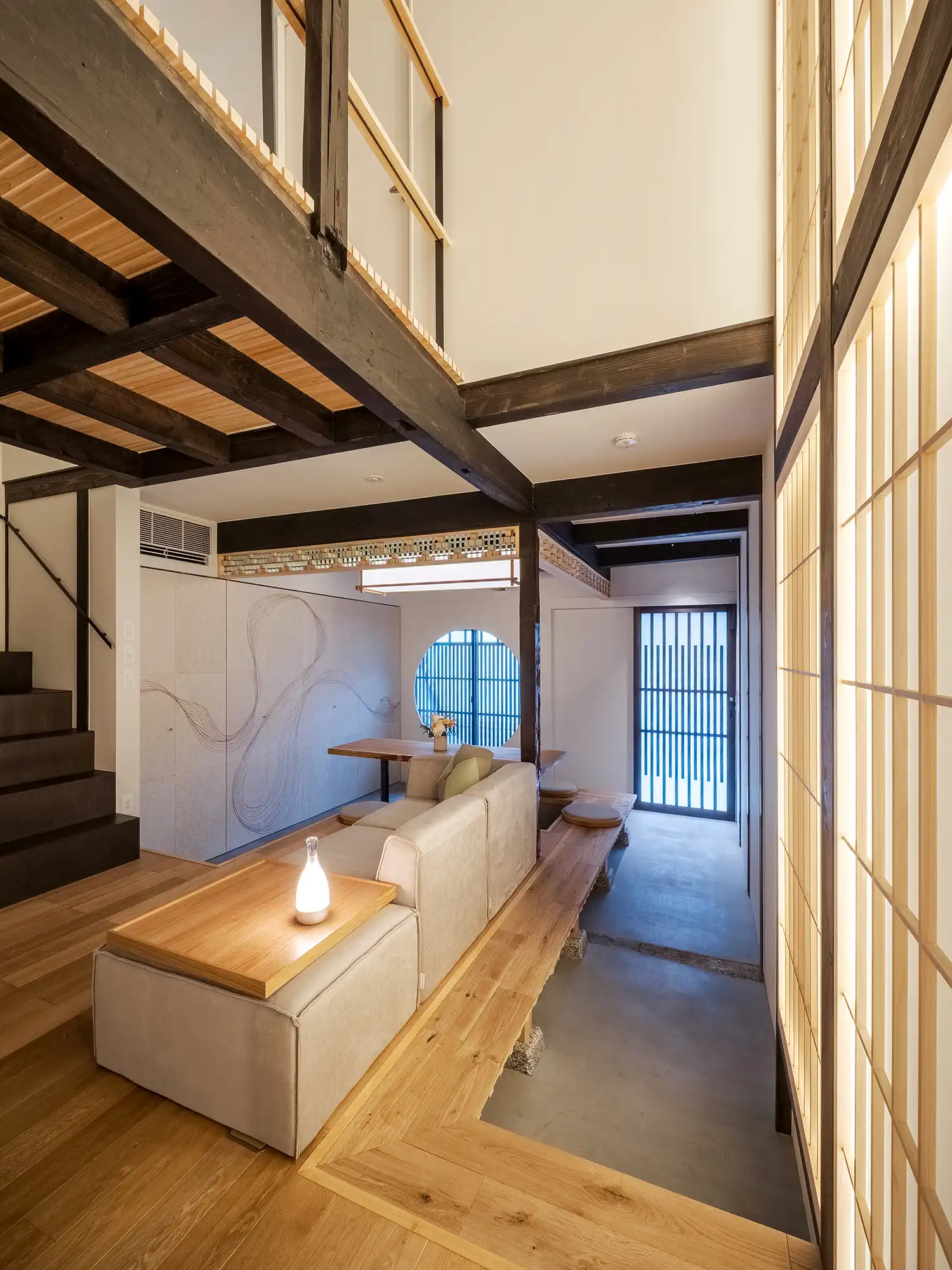
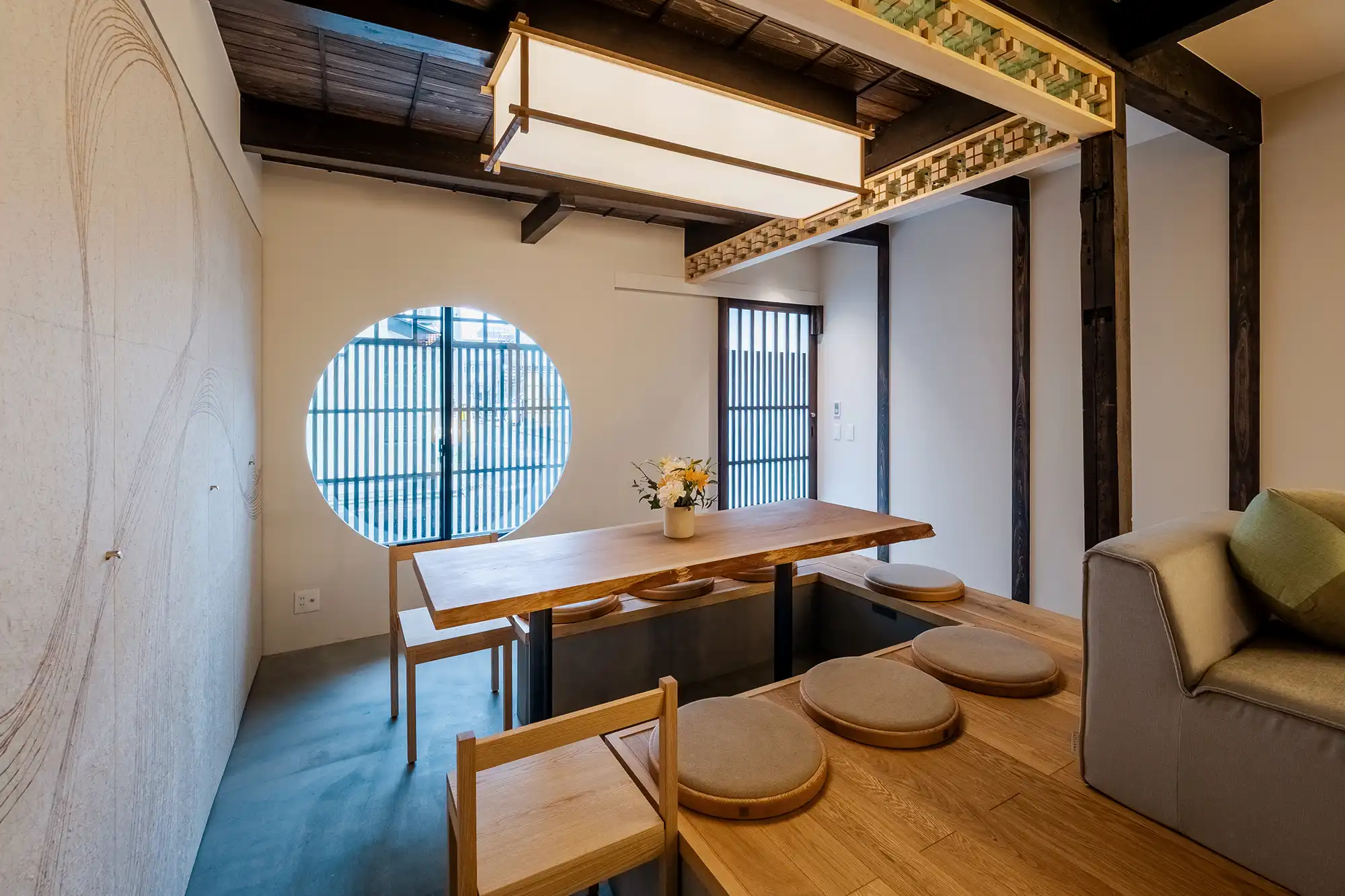
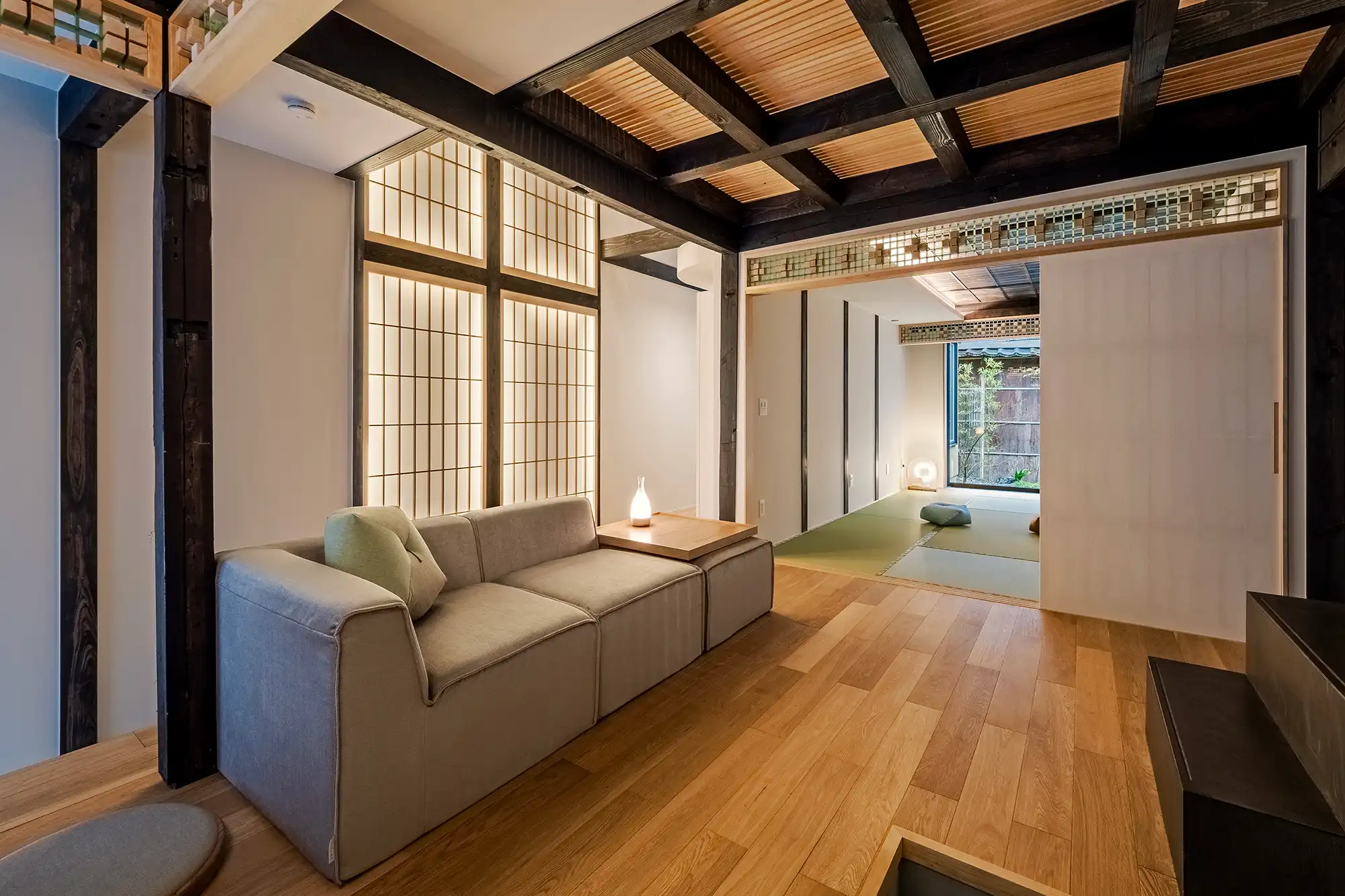
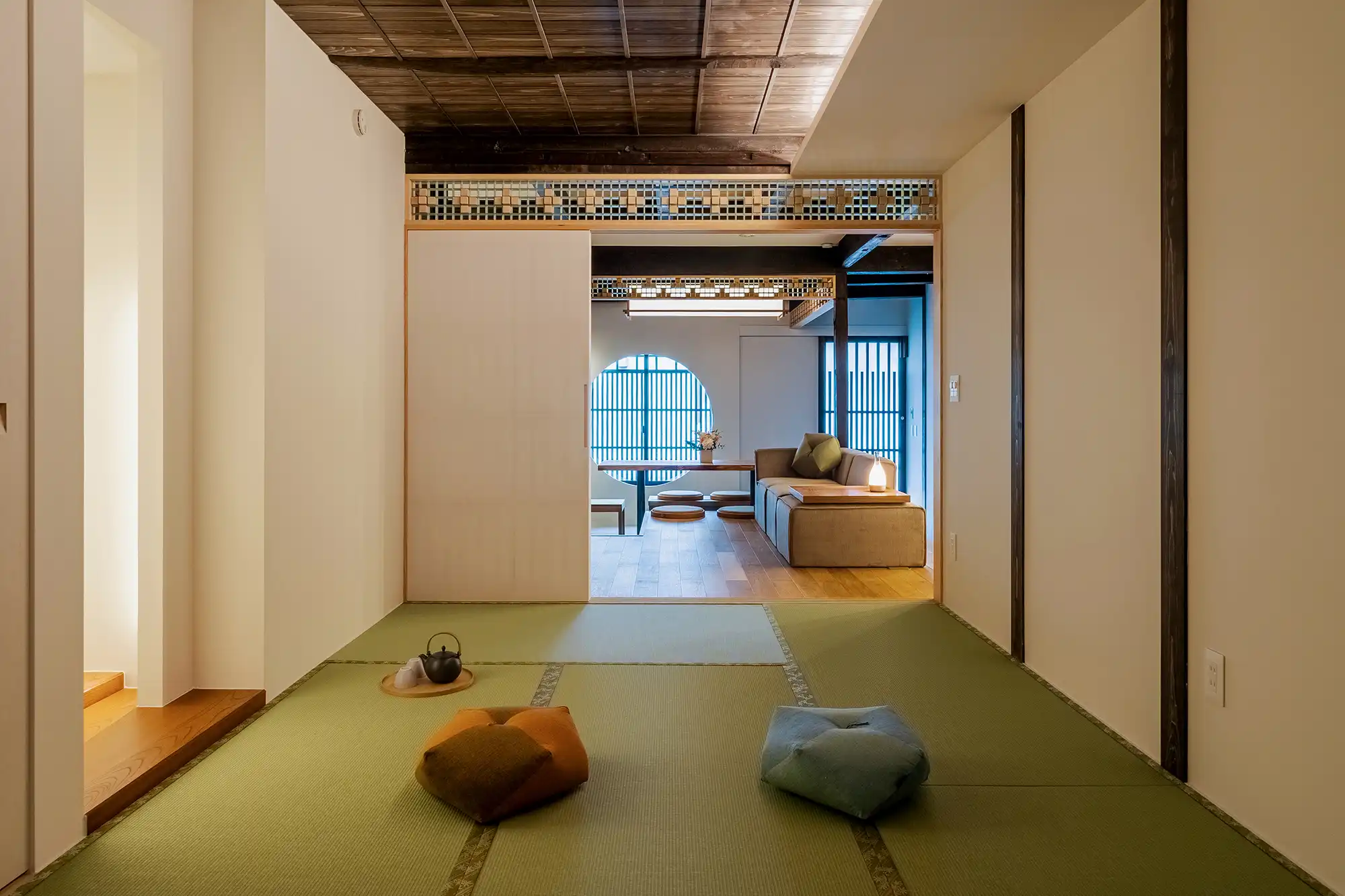
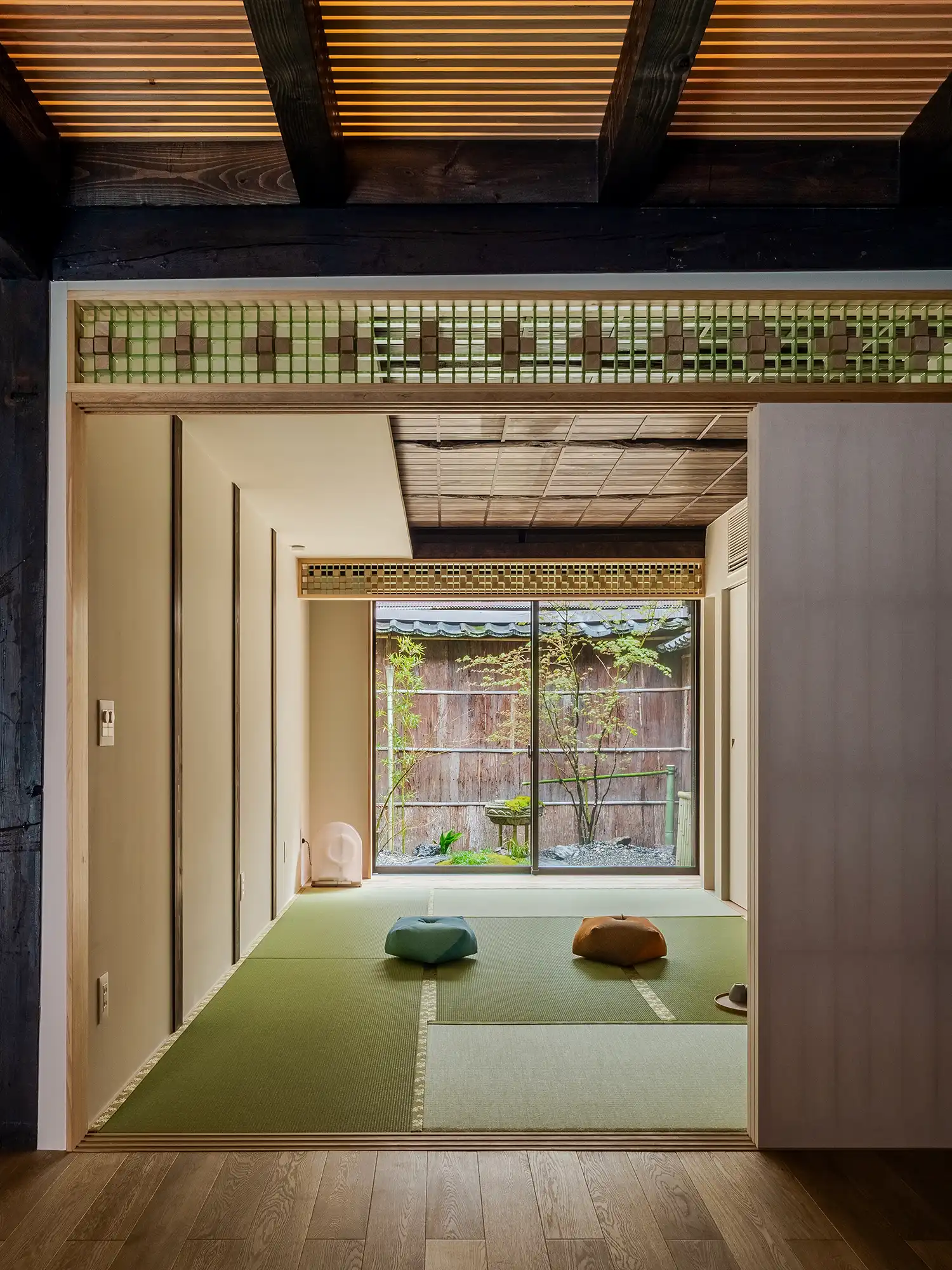
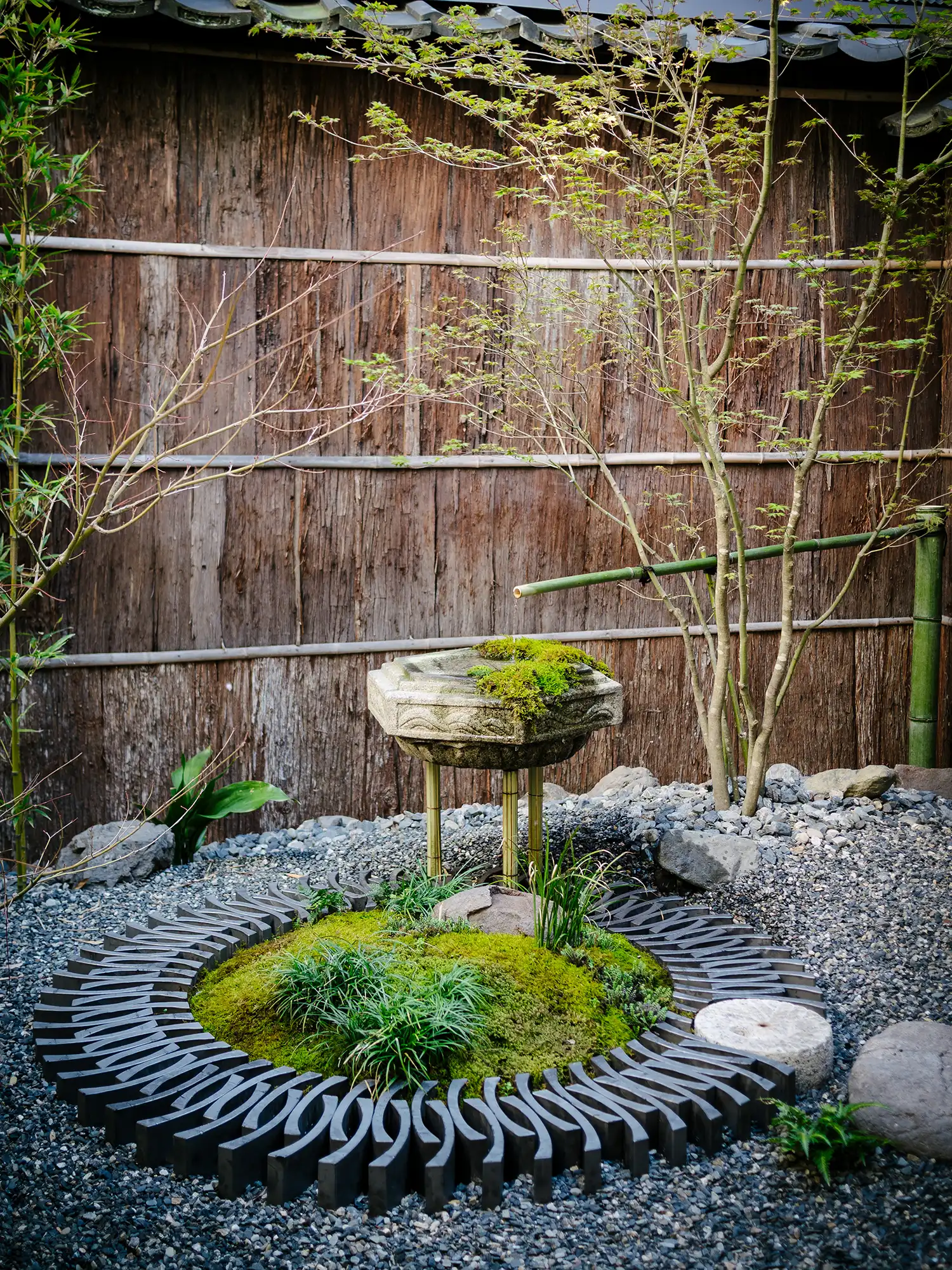
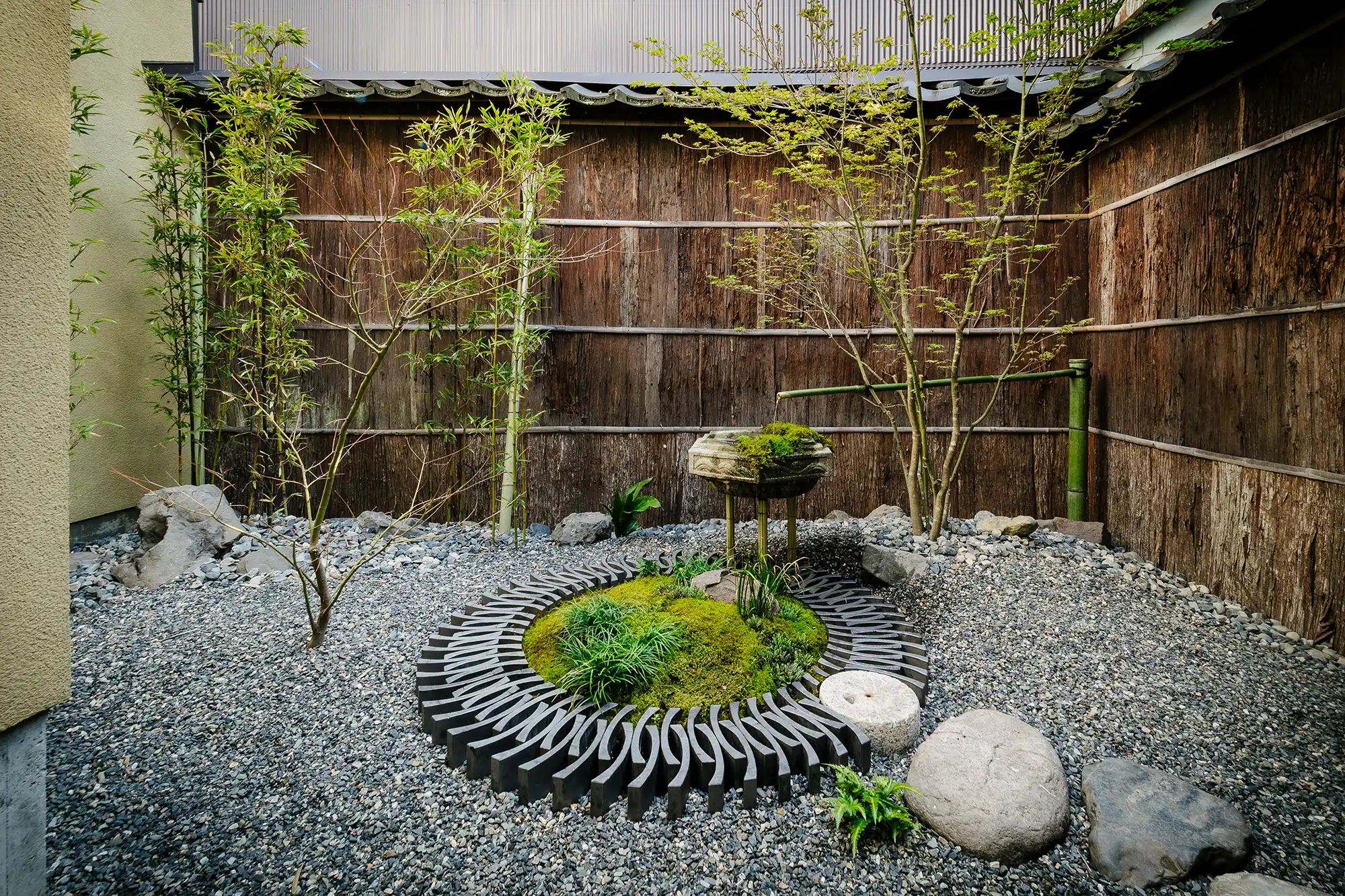
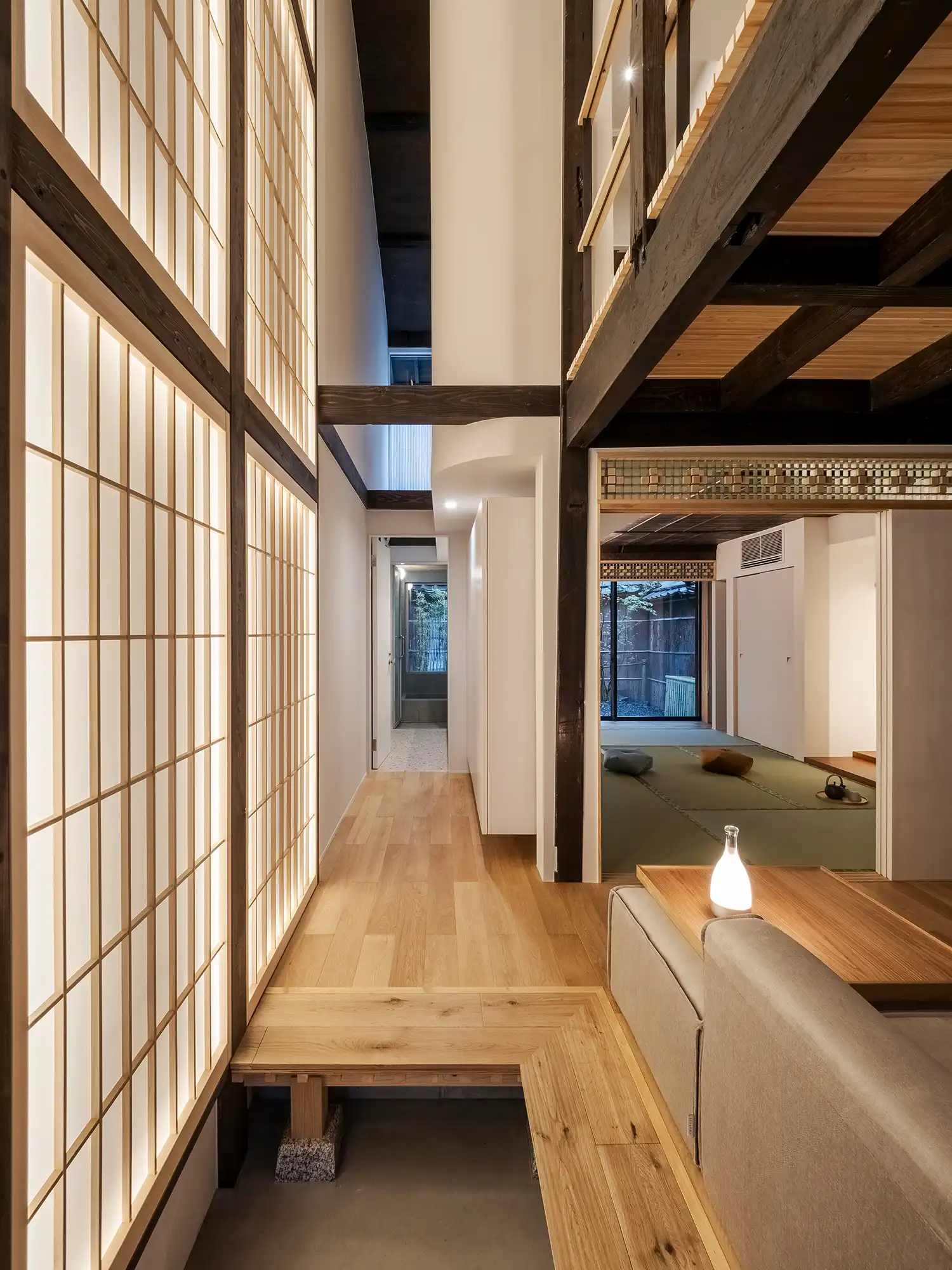
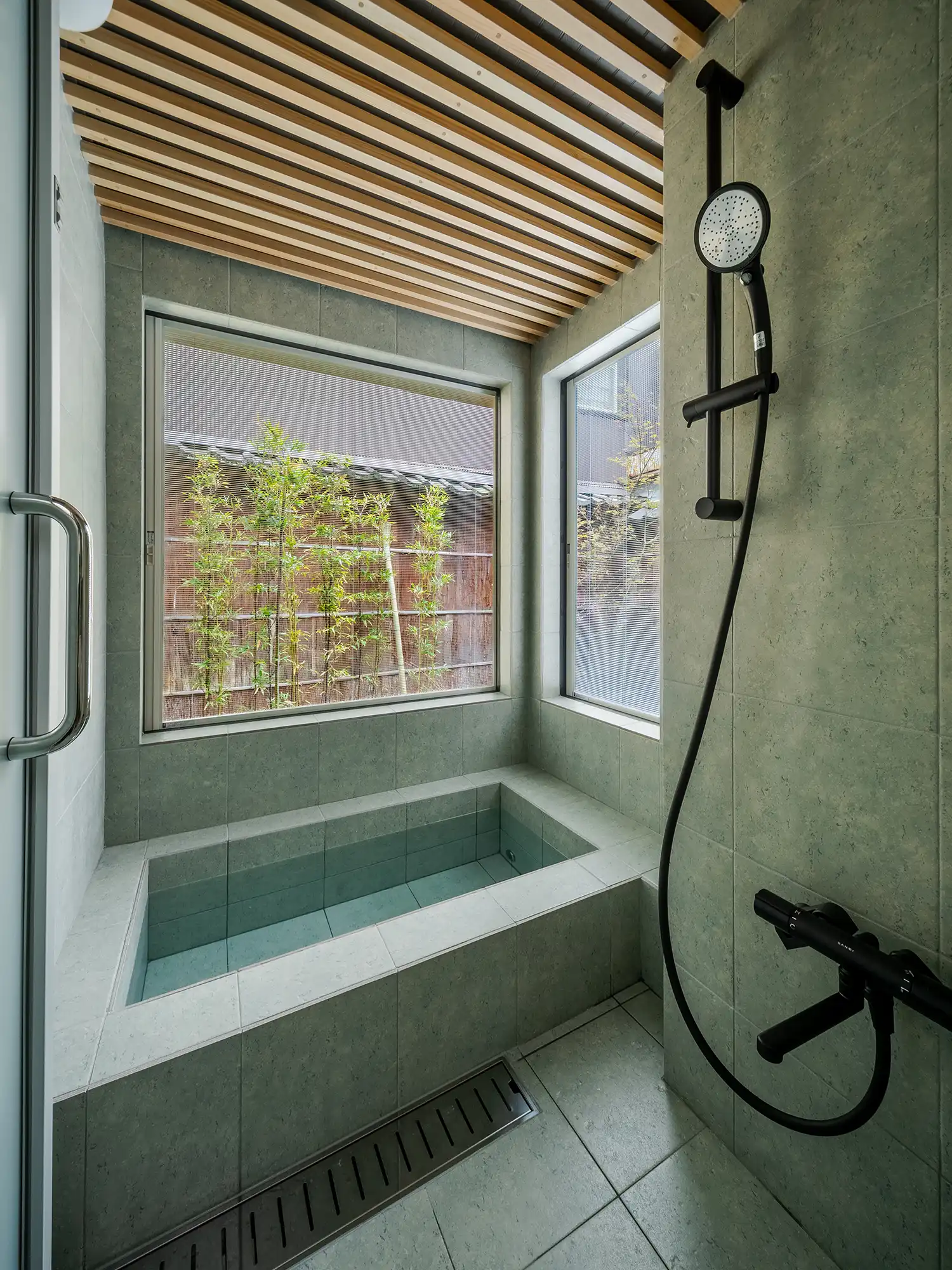
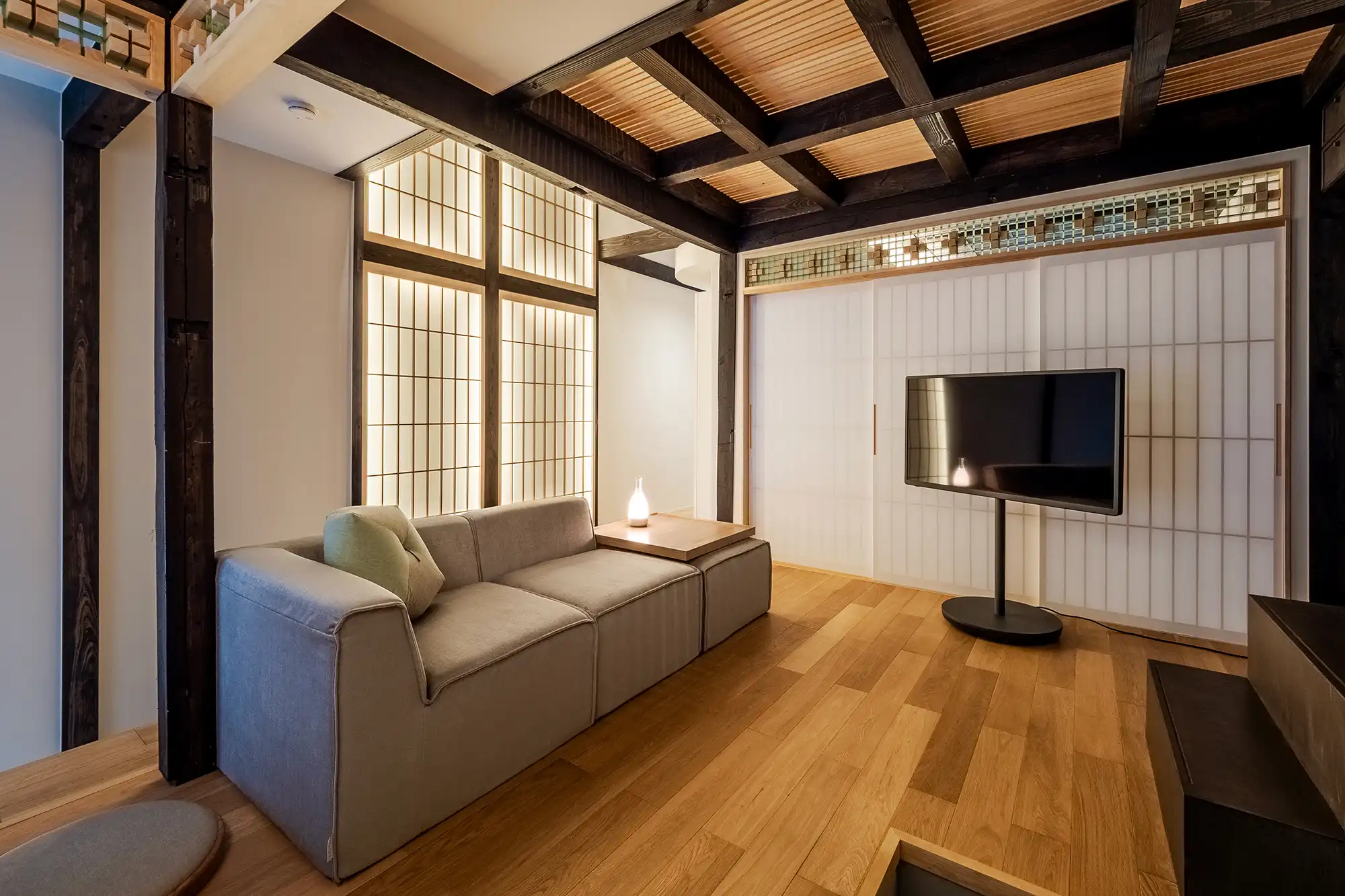
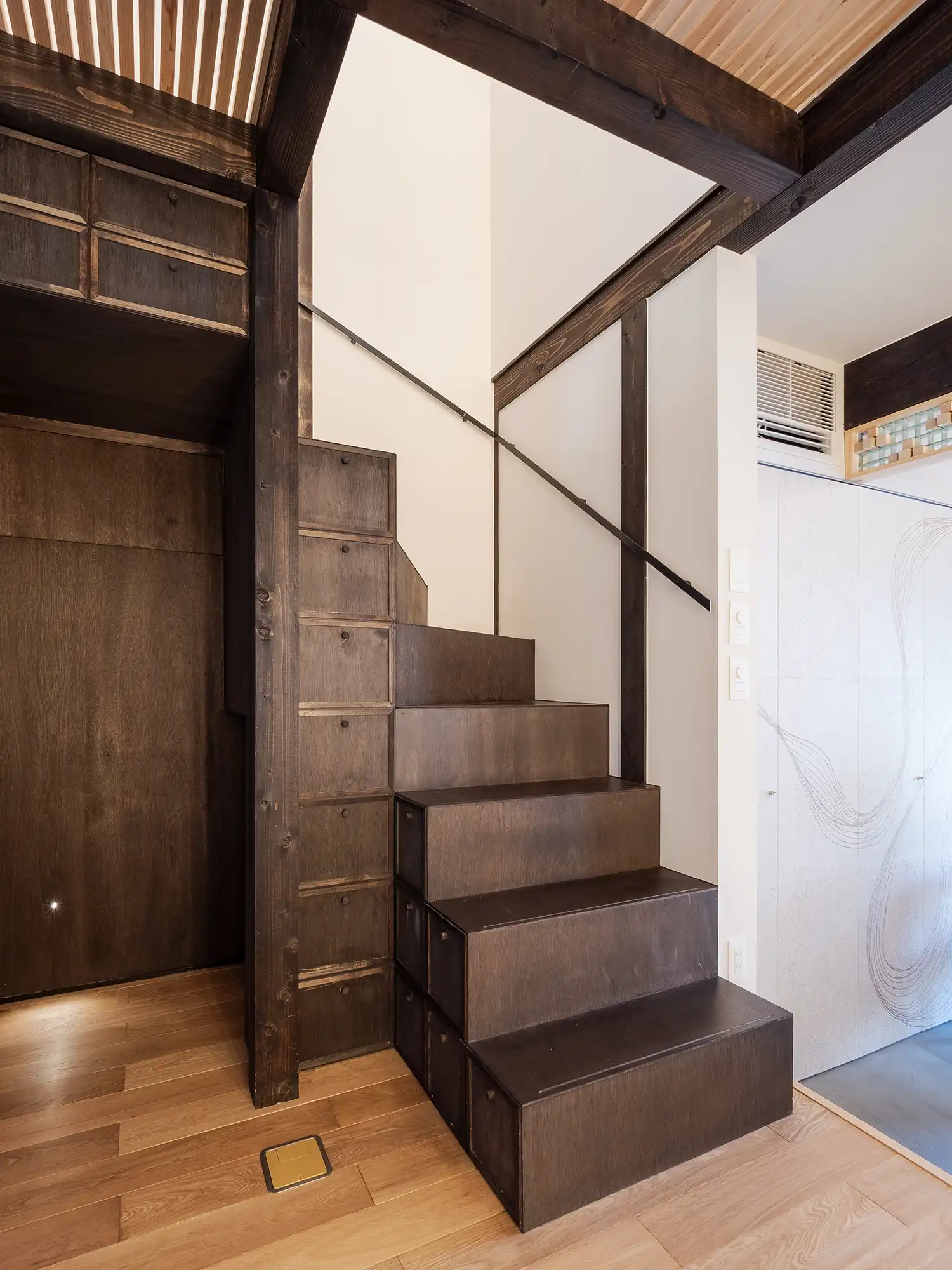
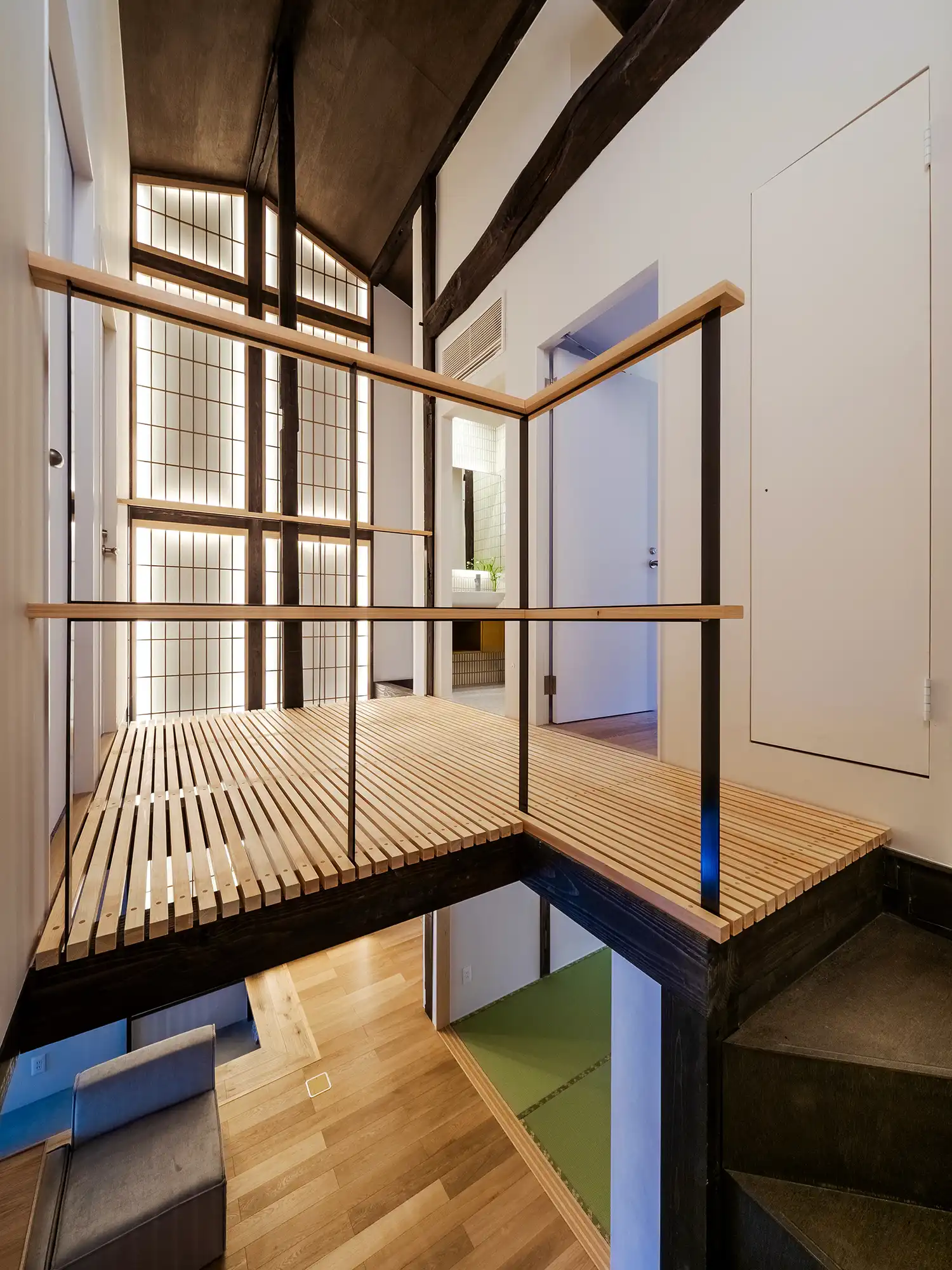
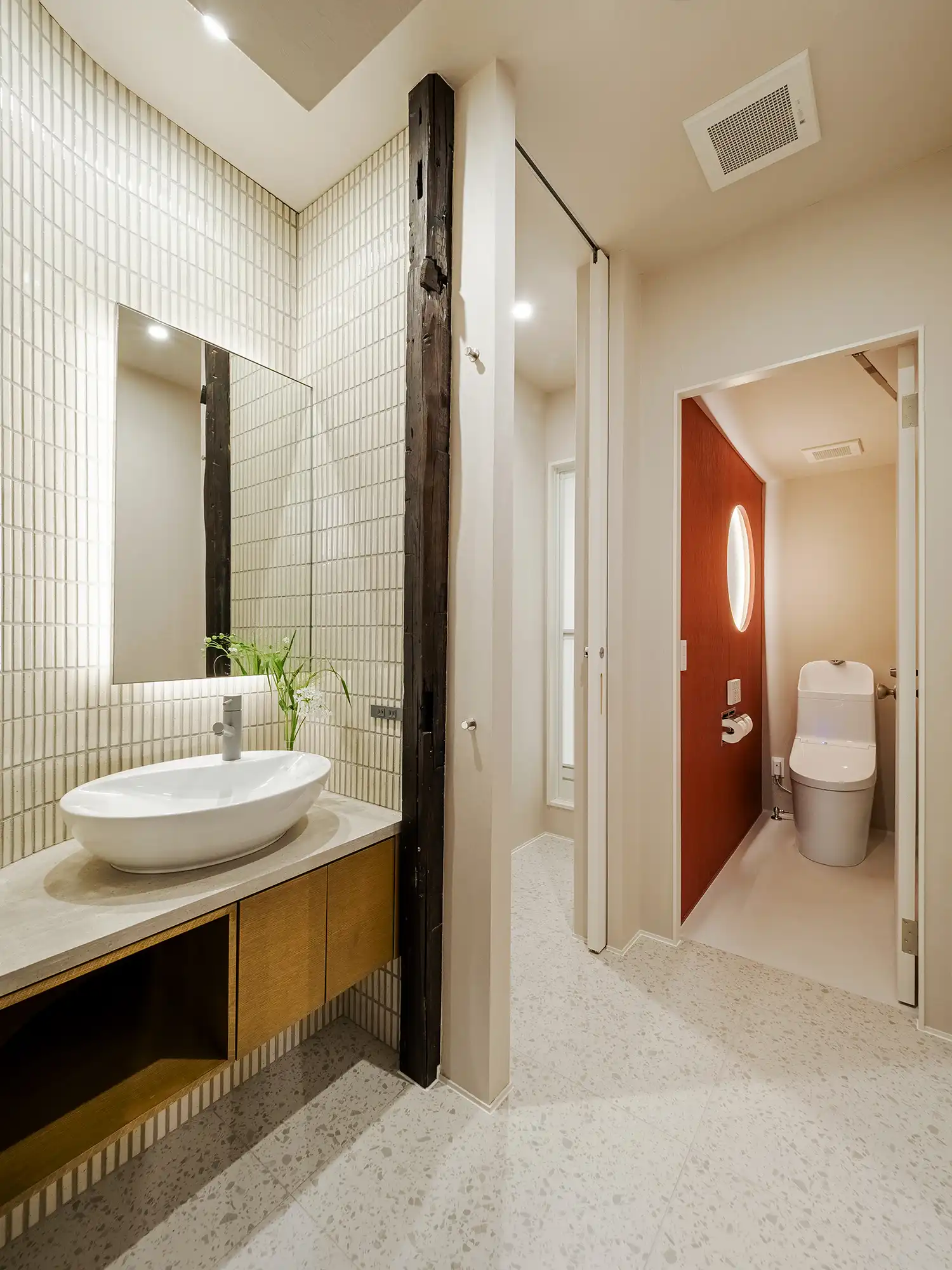
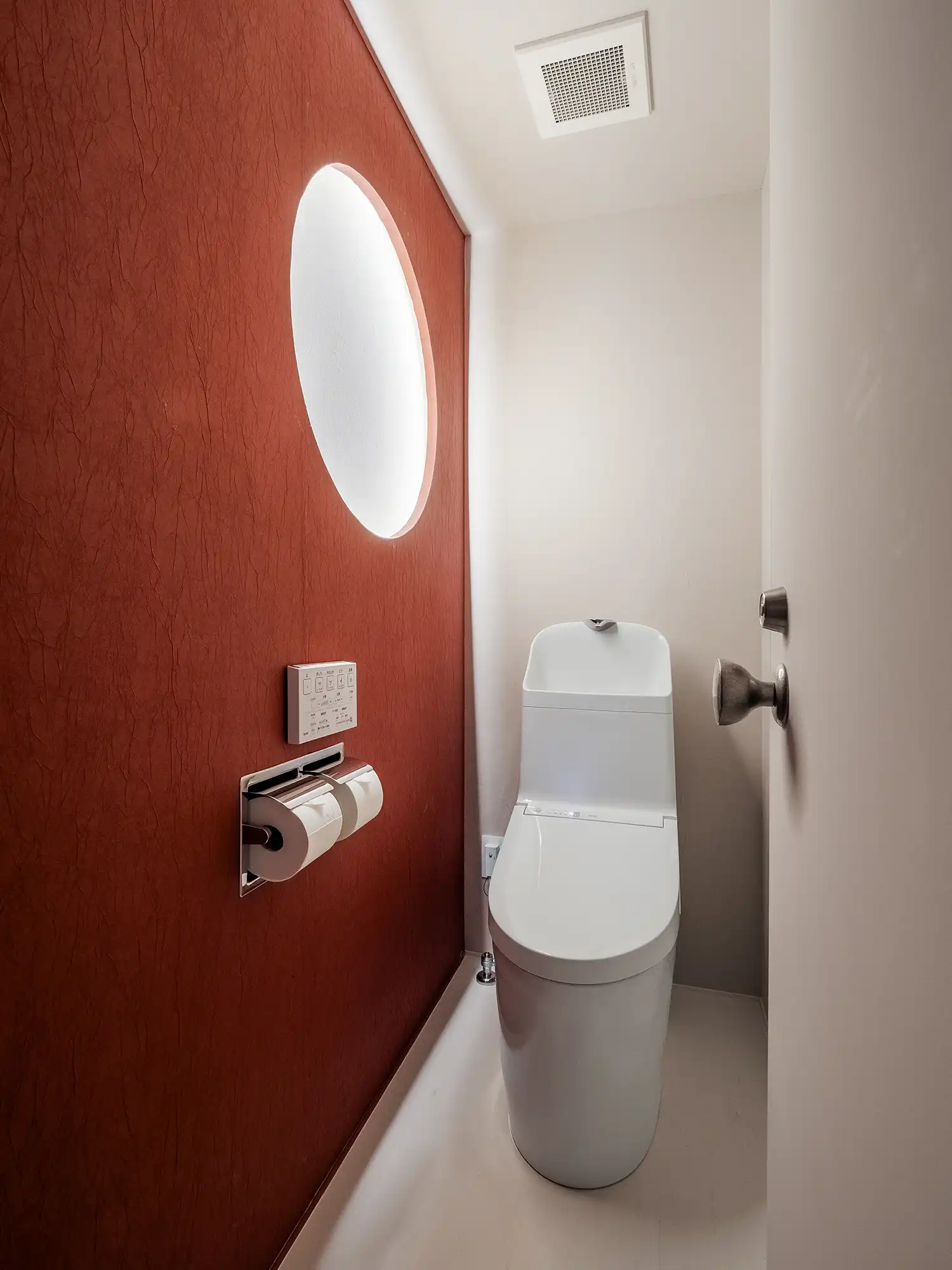
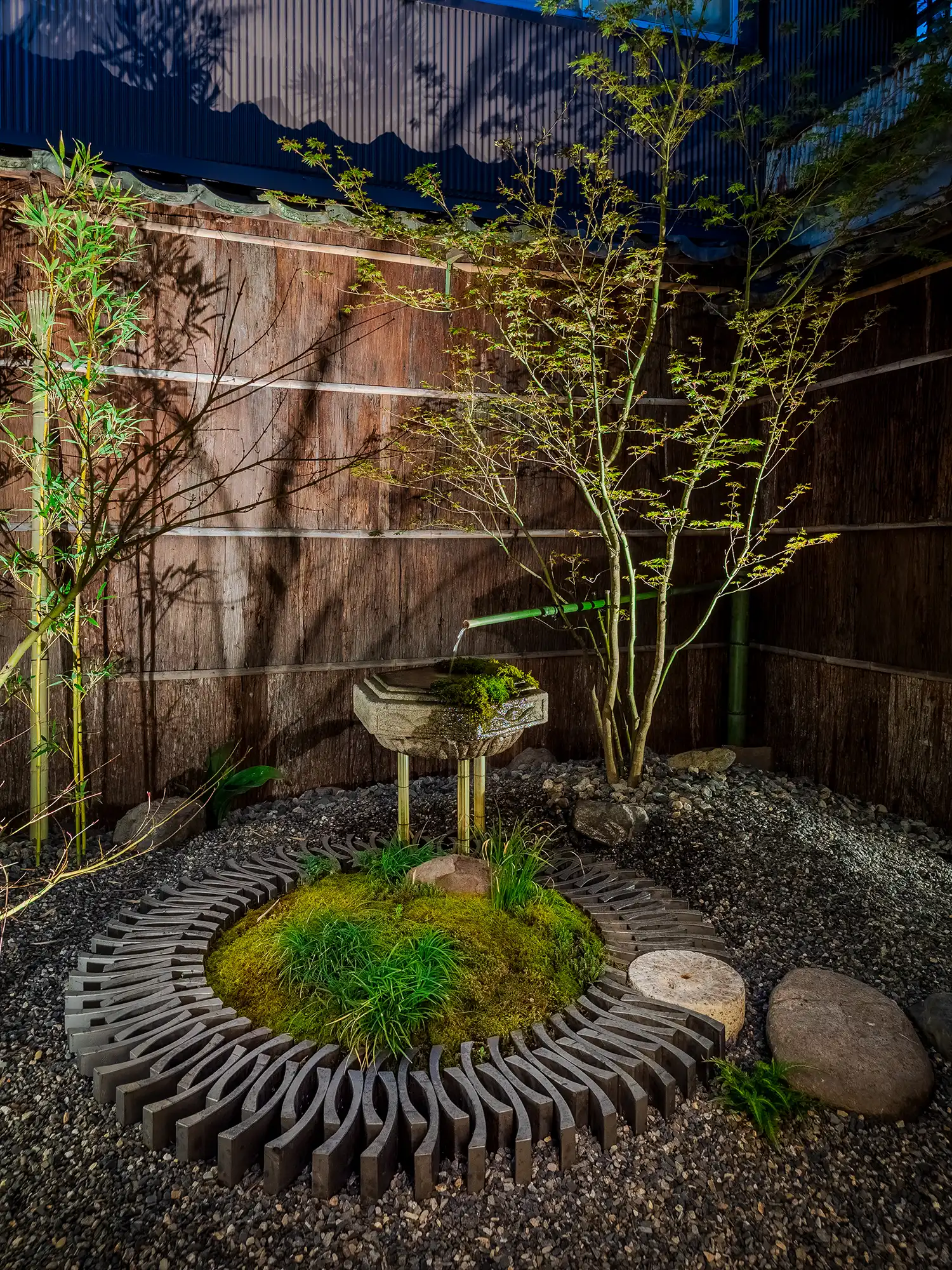
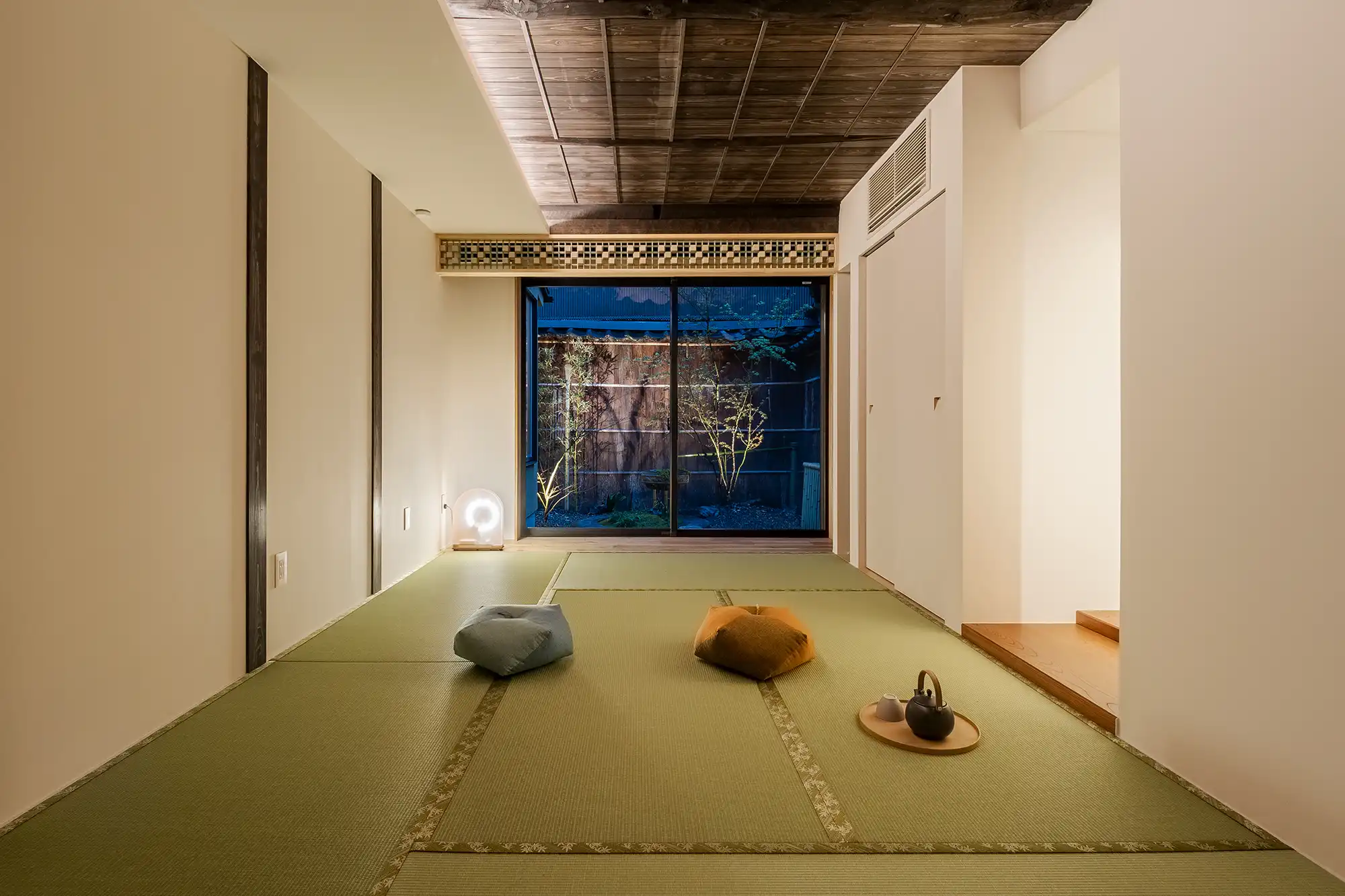
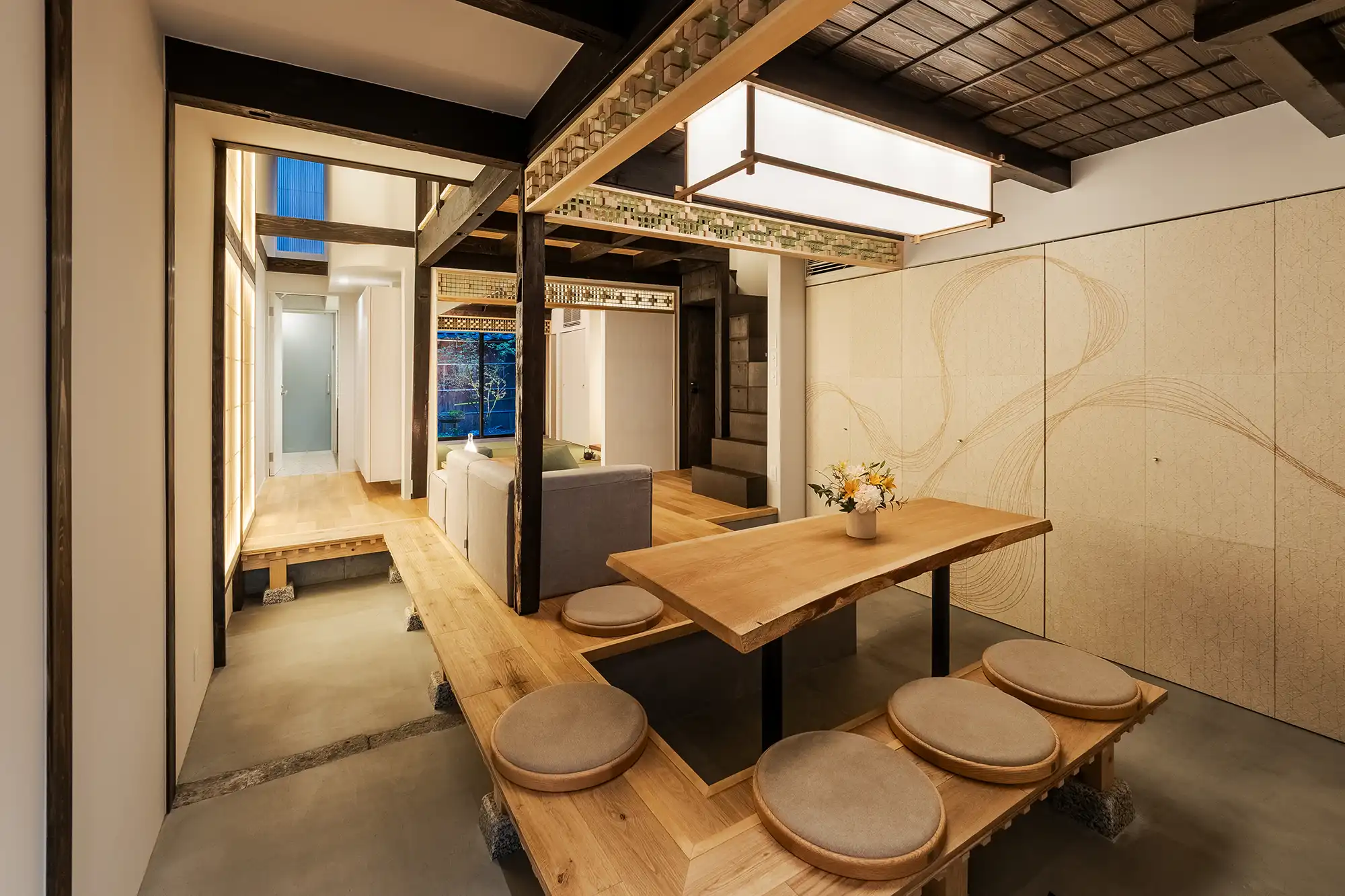
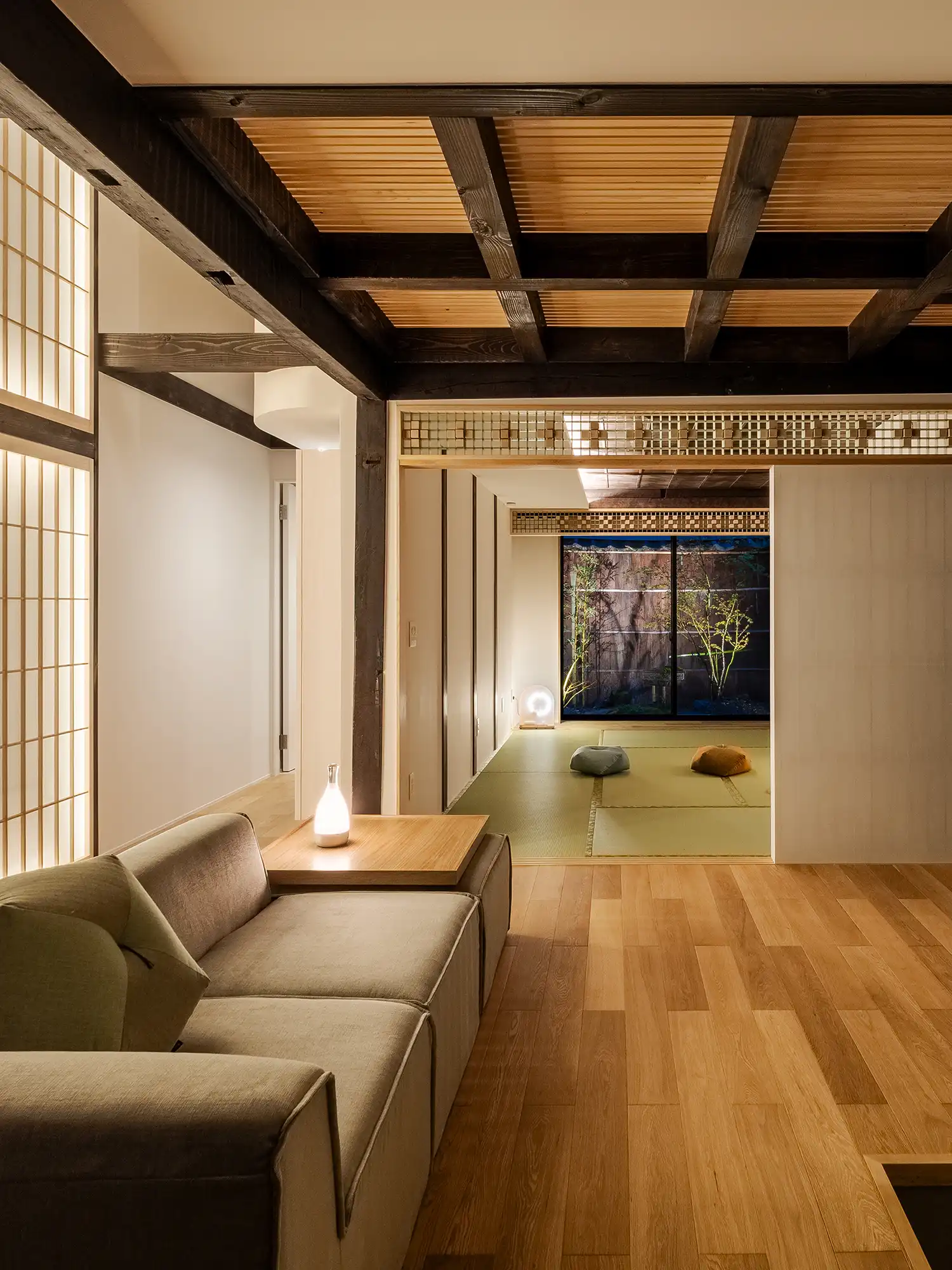
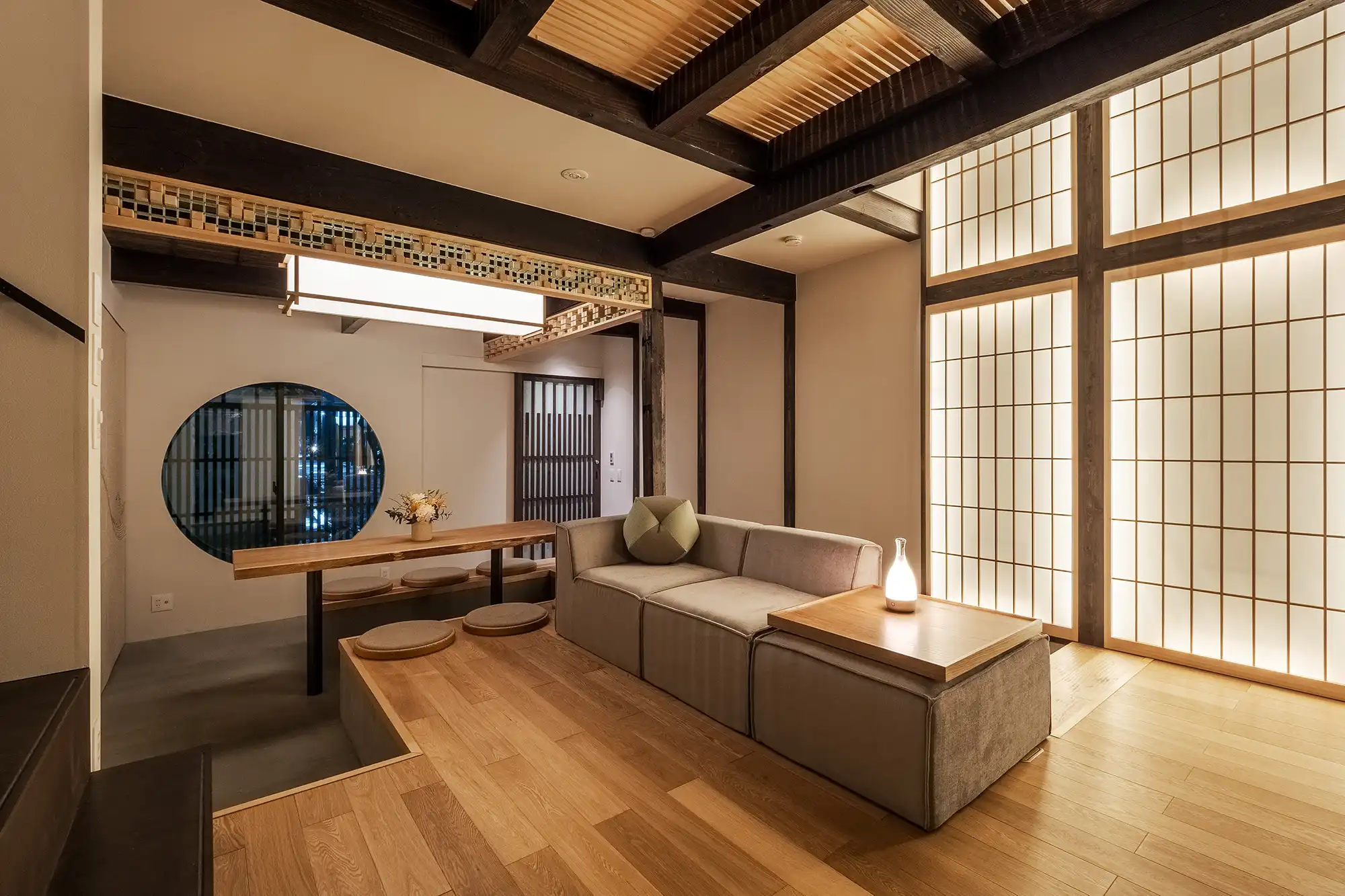
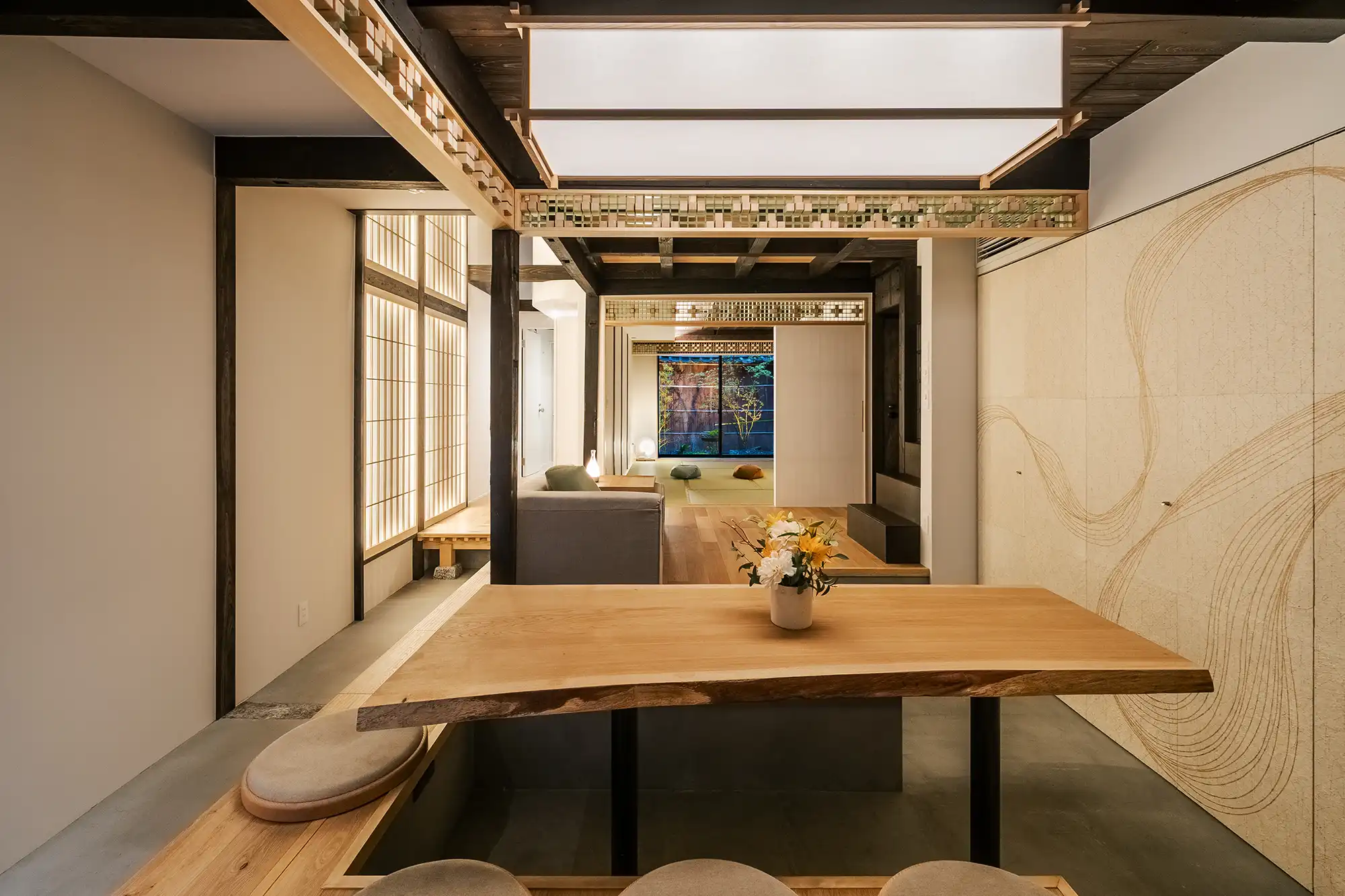
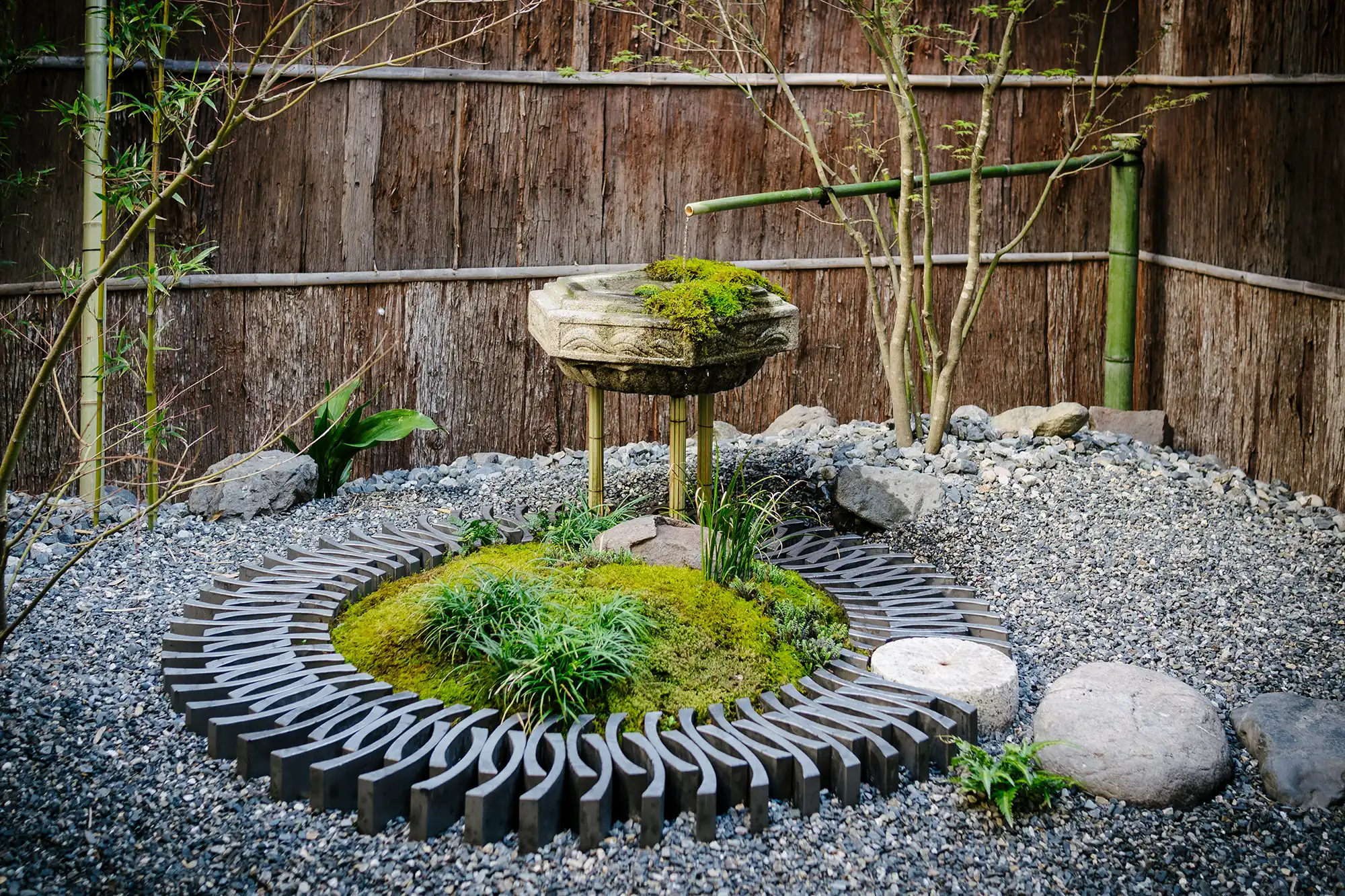
This machiya house is designed in the classic 'unagi no nedoko' layout, a style that has often defined Kyoto townhouses for centuries. The exterior is narrow in width, but step through the entrance and you'll find an open and surprisingly spacious interior. The open-concept living and dining area retains the character of a 'doma' floor (traditionally an earthen entryway), creating a natural transition between indoors and out. Natural light fills the space through a round latticed window and from a private Japanese garden, visible from both the tatami room and the bathroom. The garden shifts with each season, bringing a quiet sense of the outdoors inside year-round.
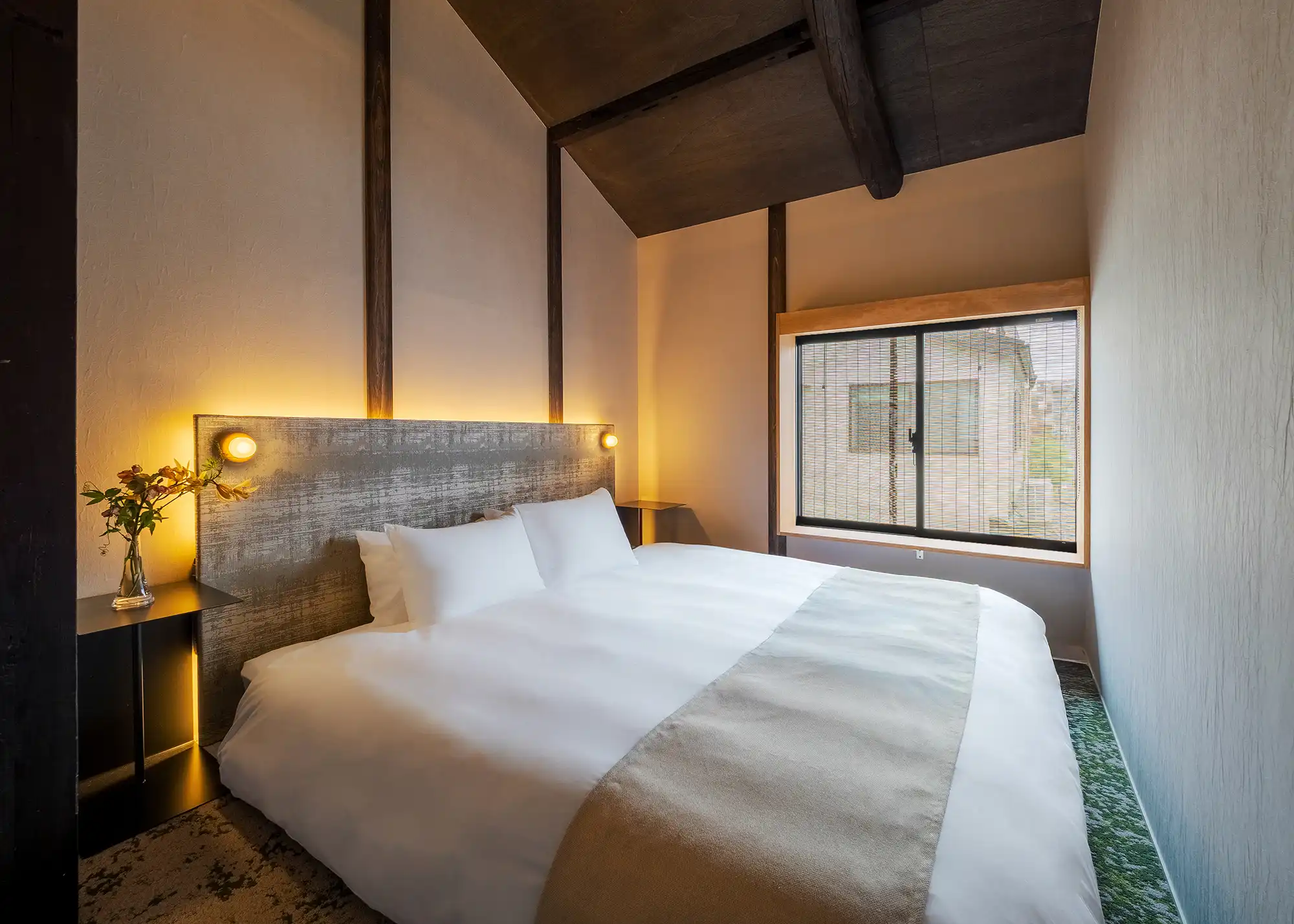
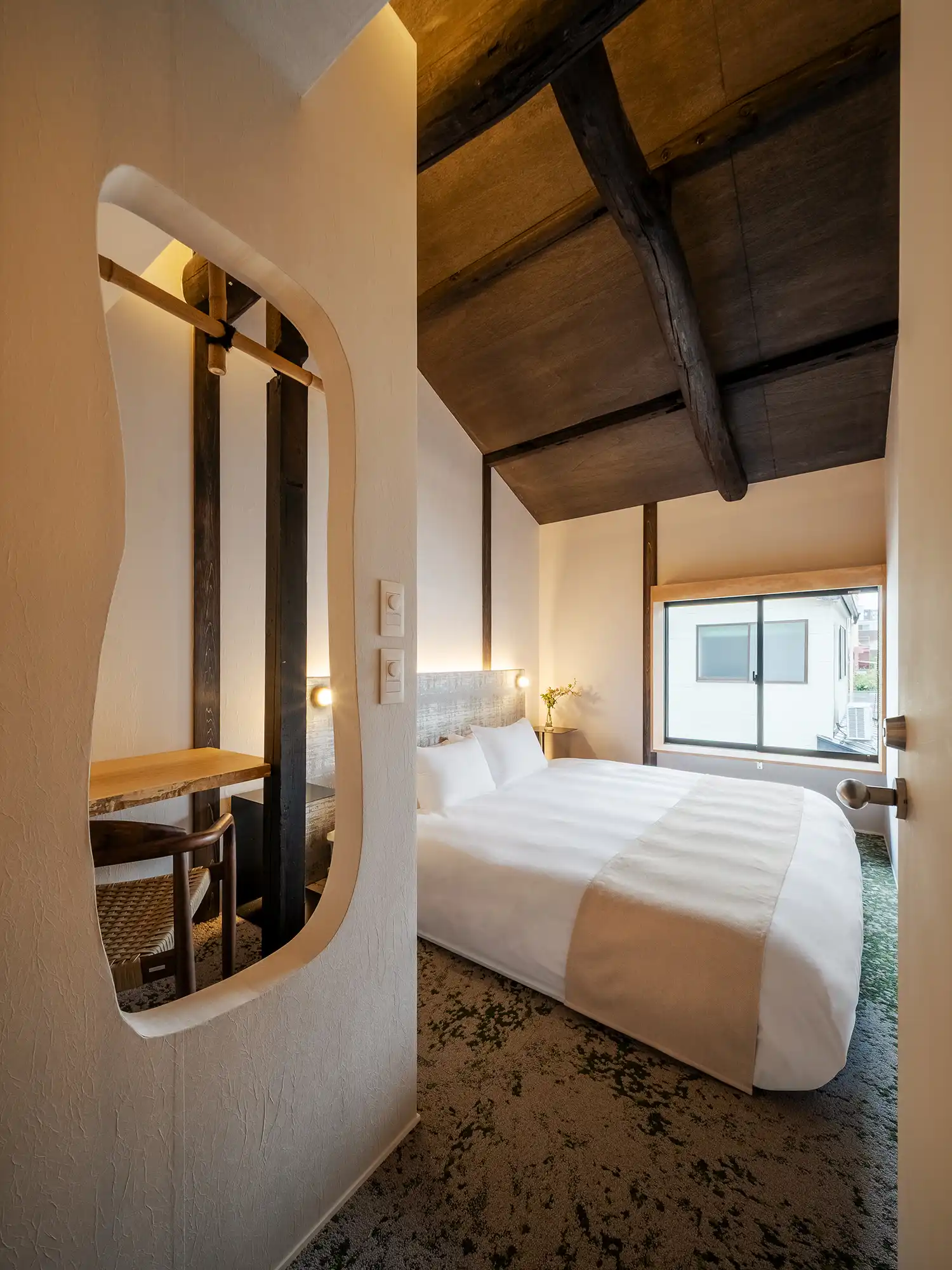
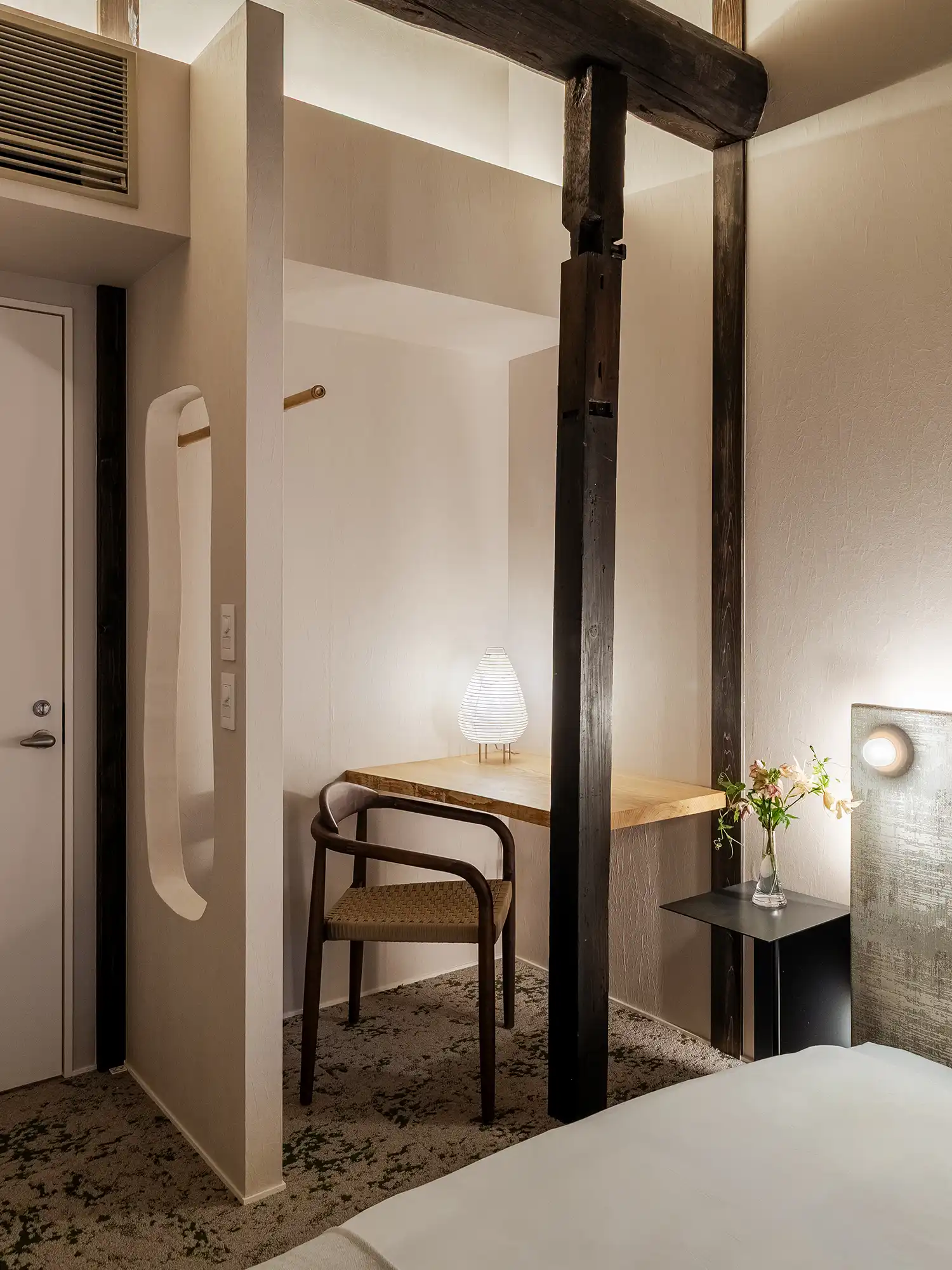
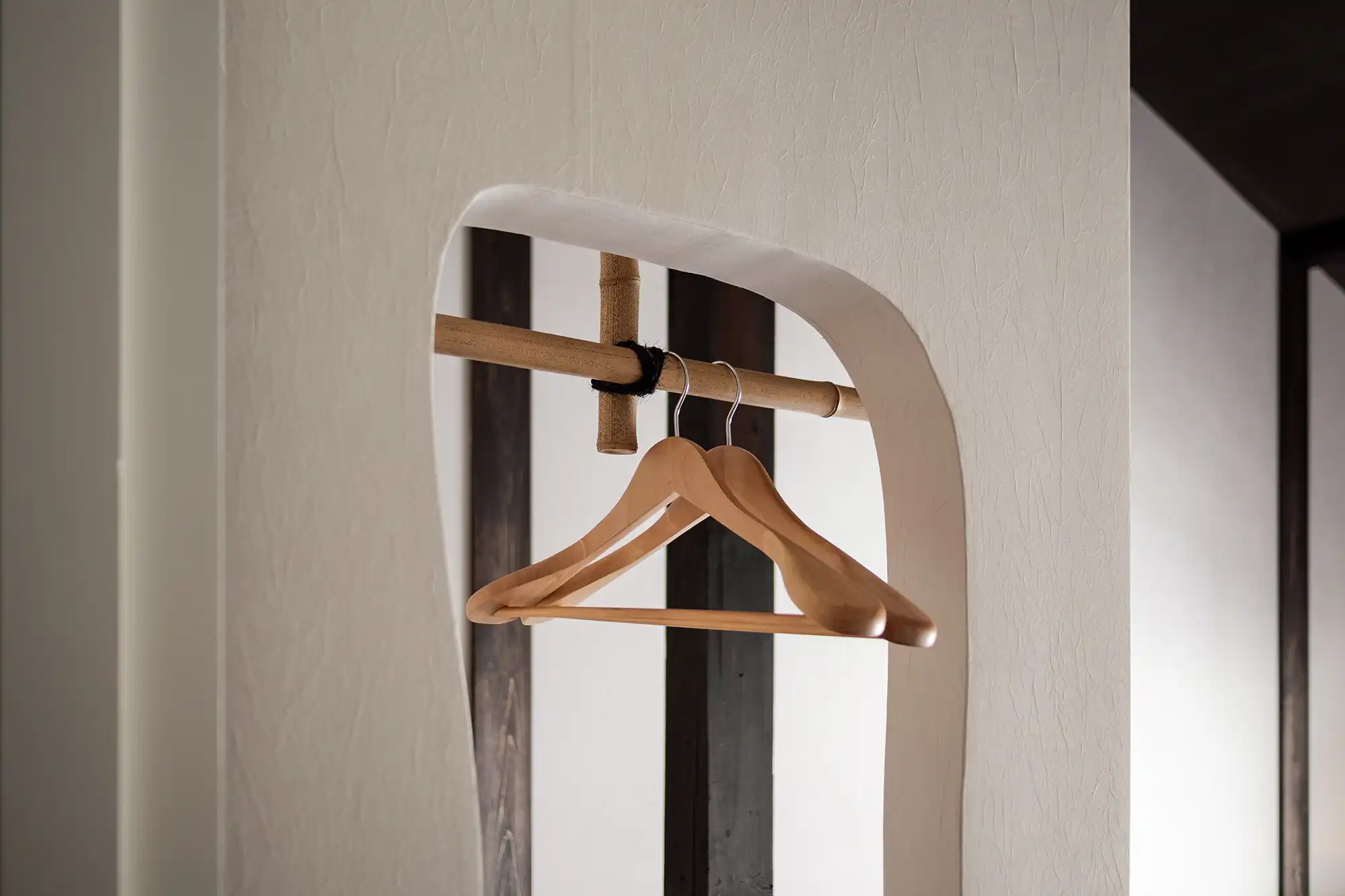
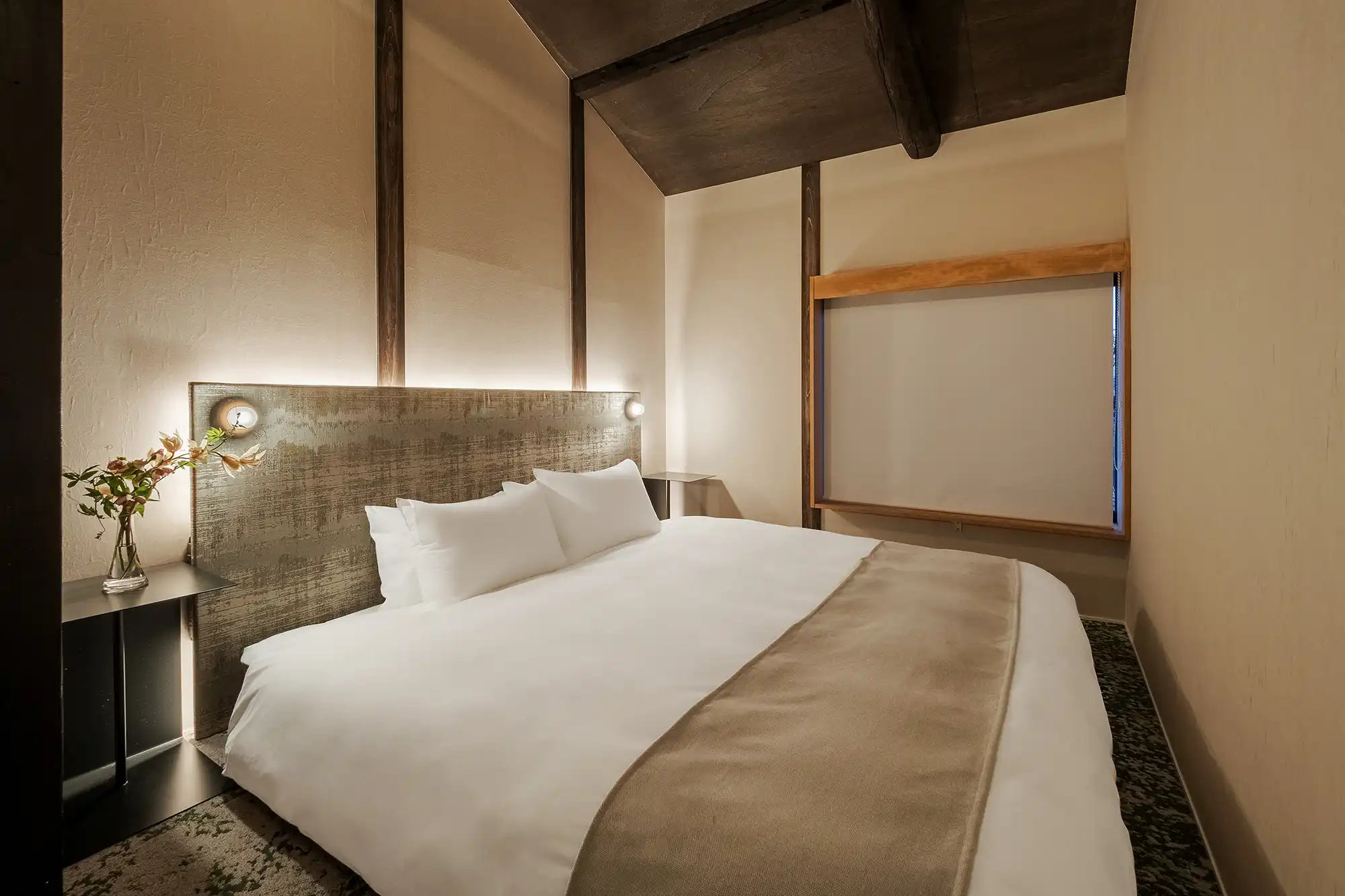
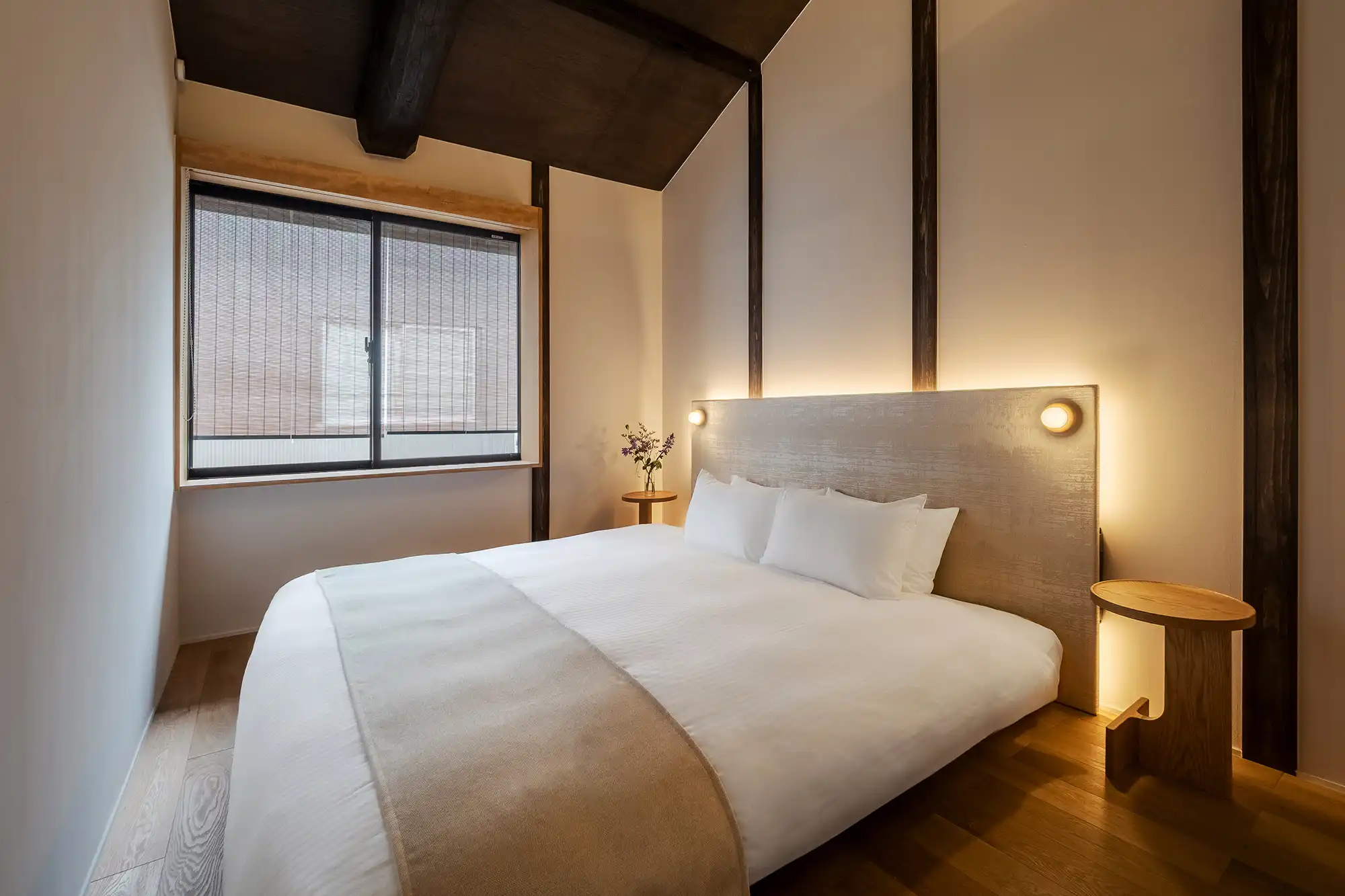
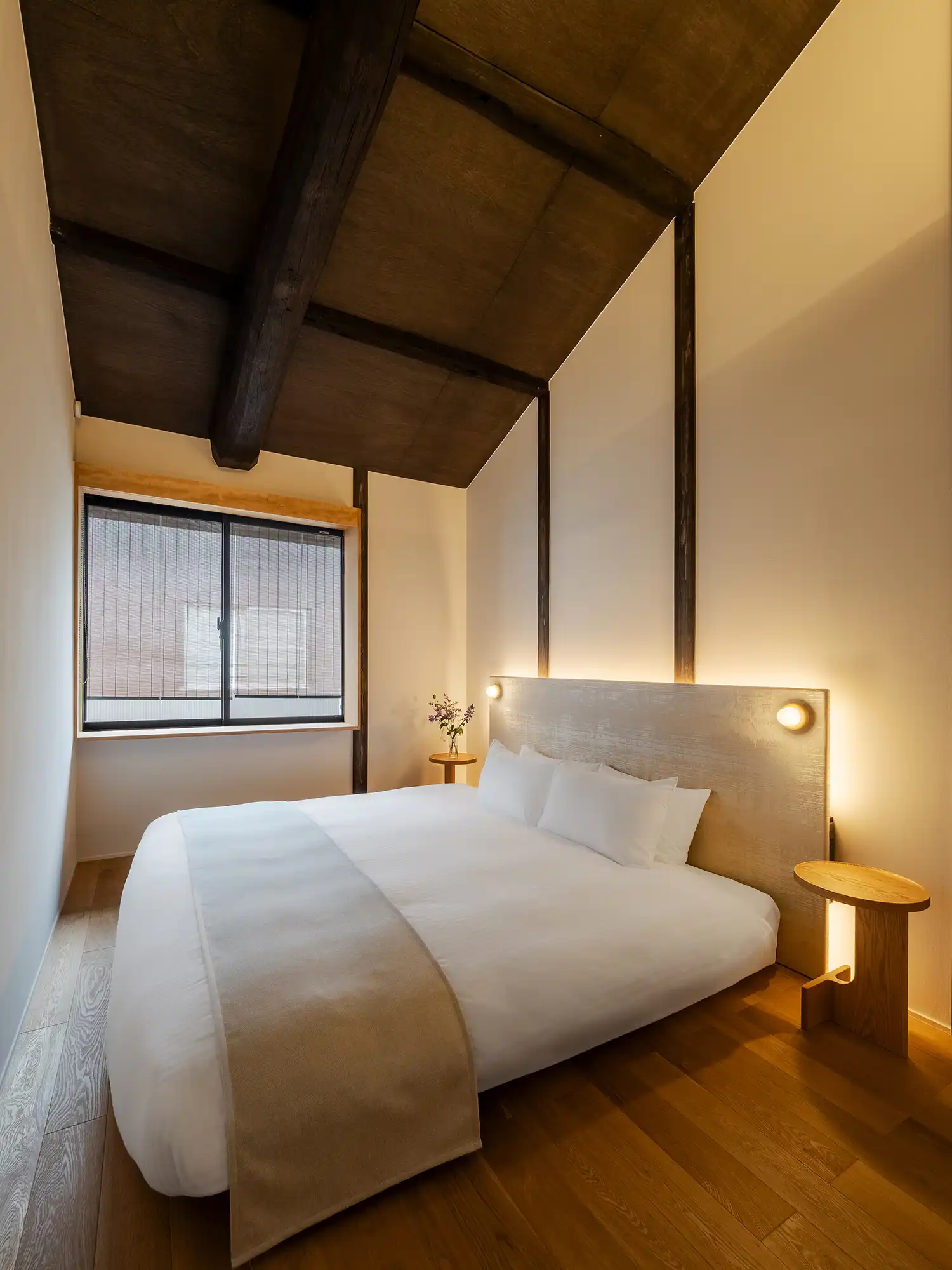
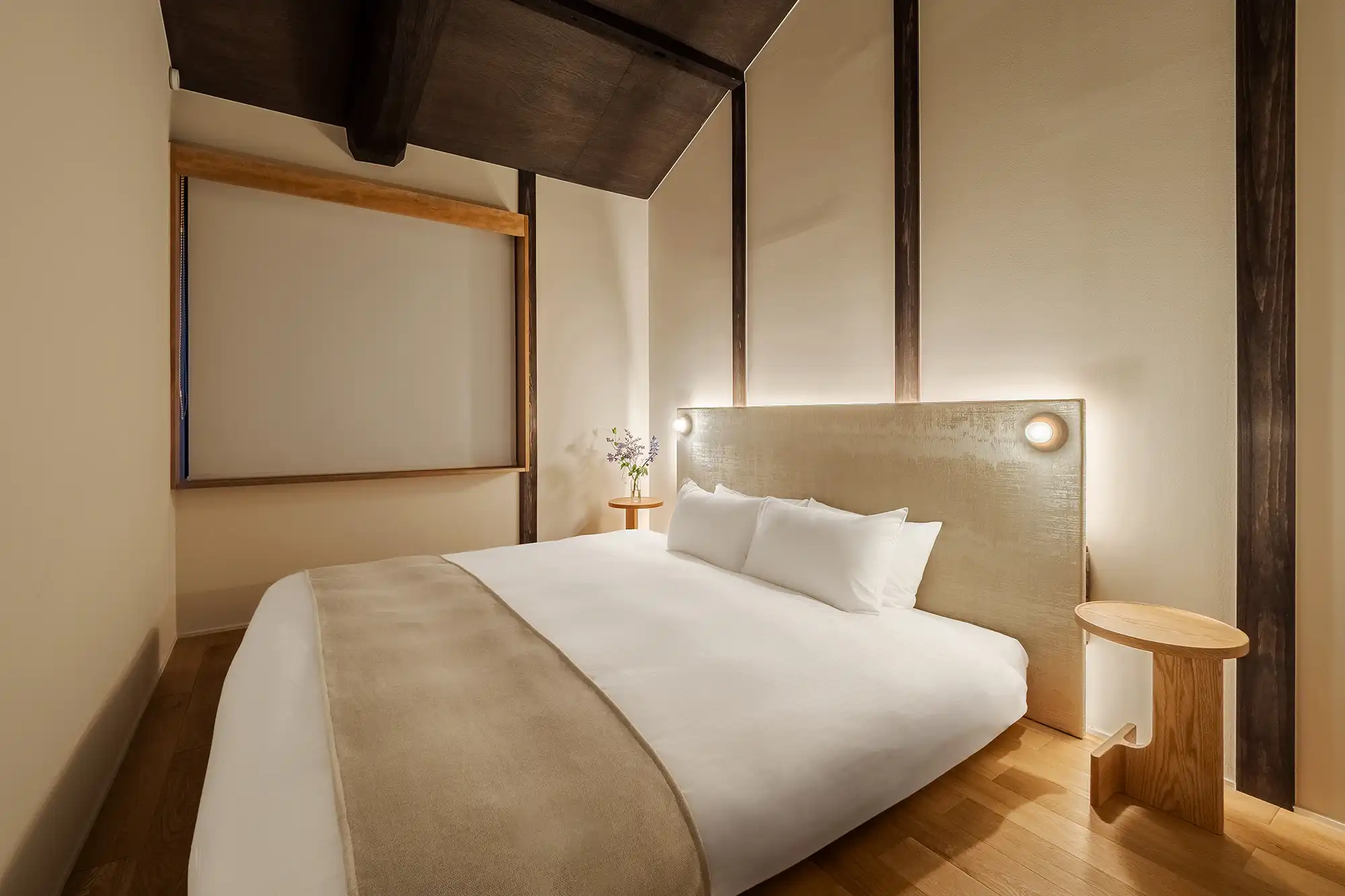
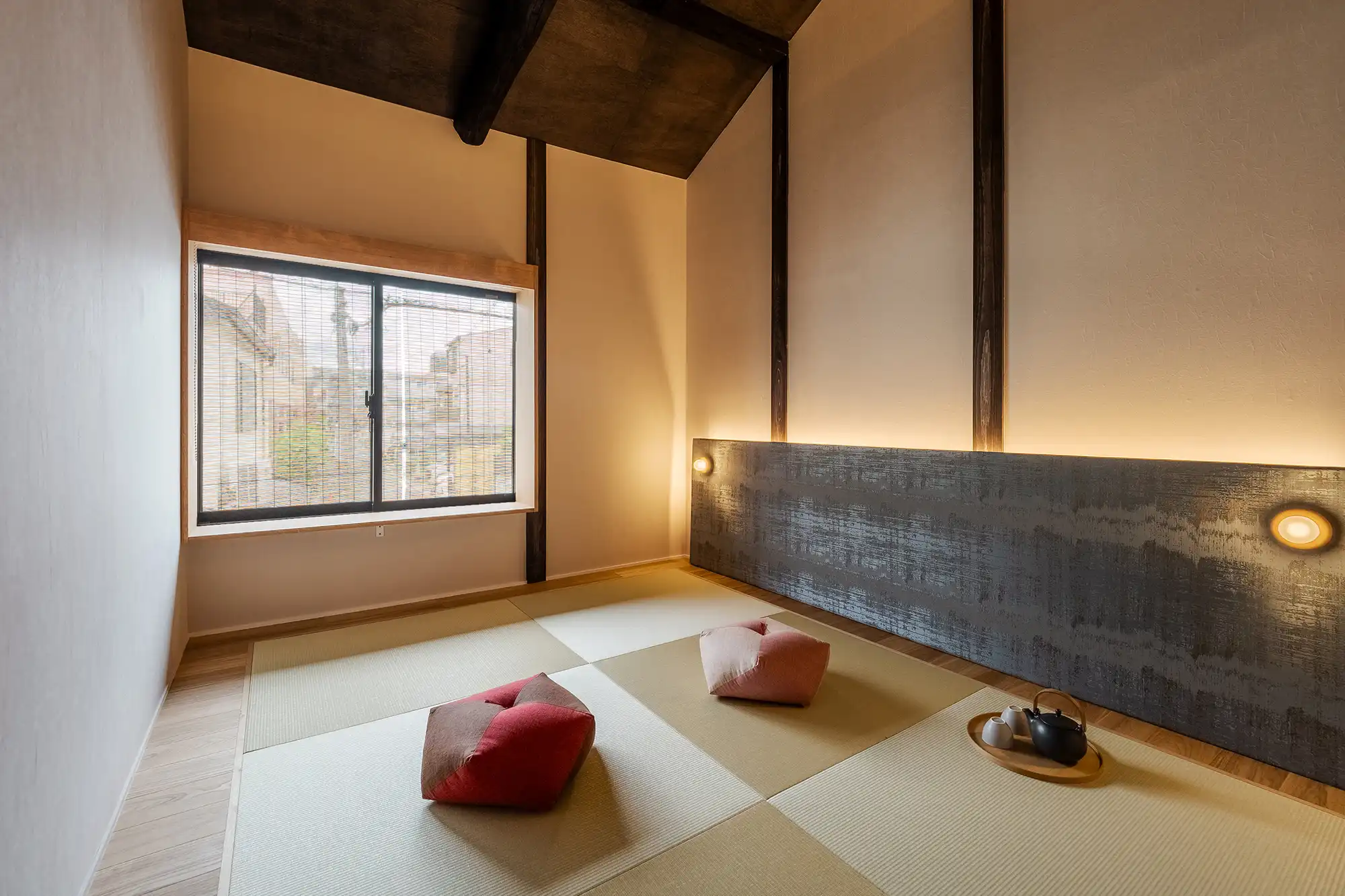
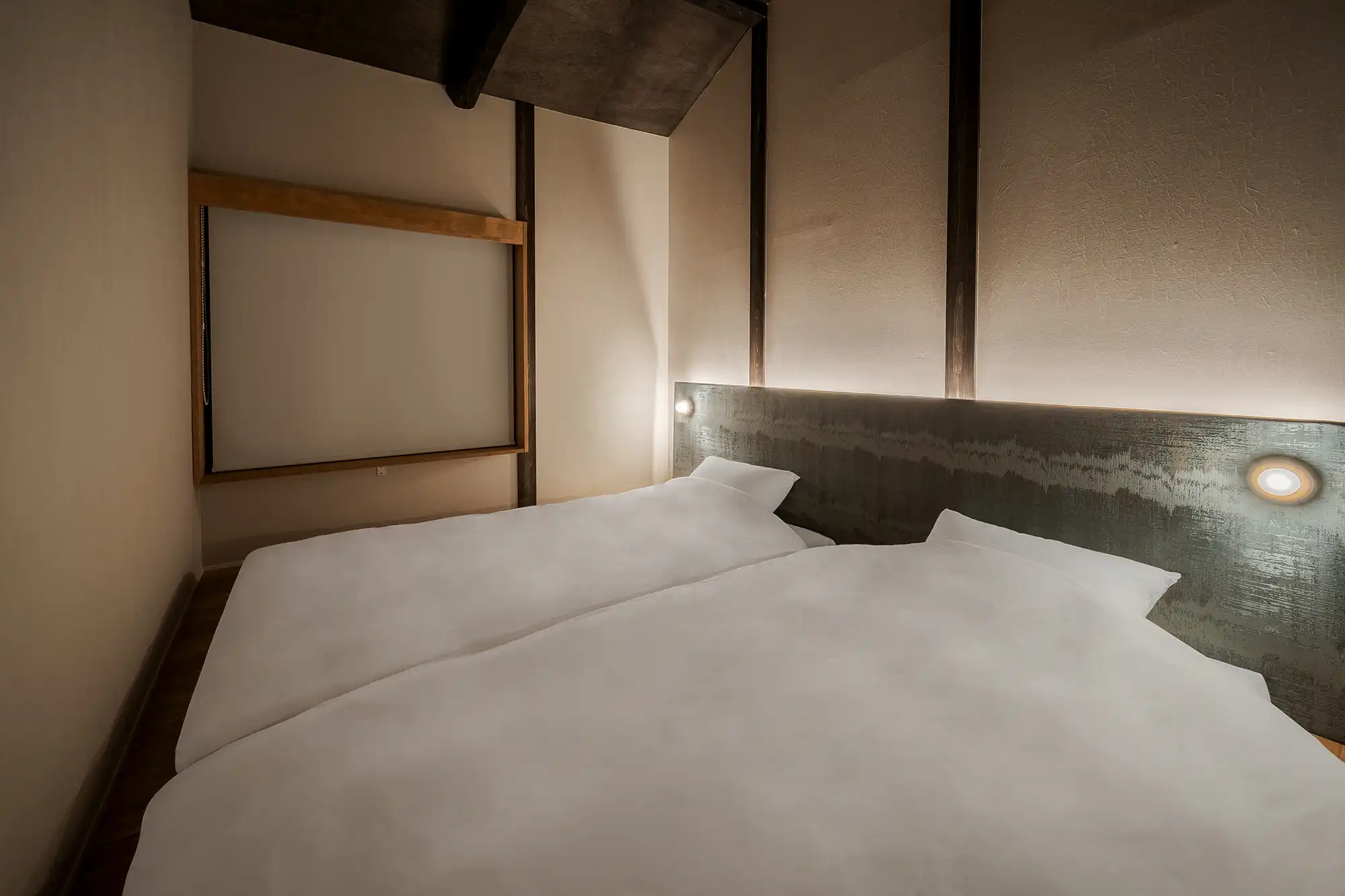
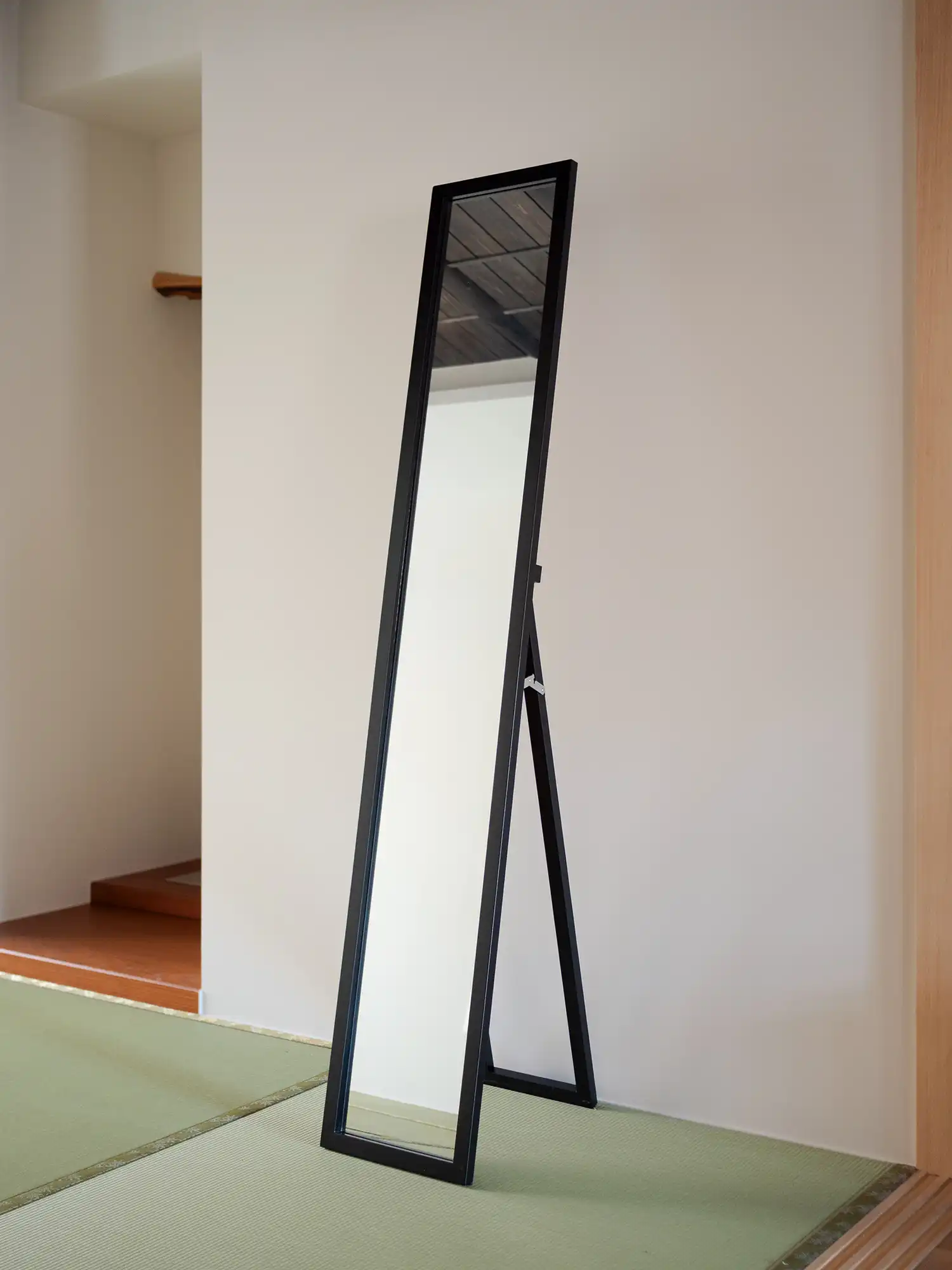
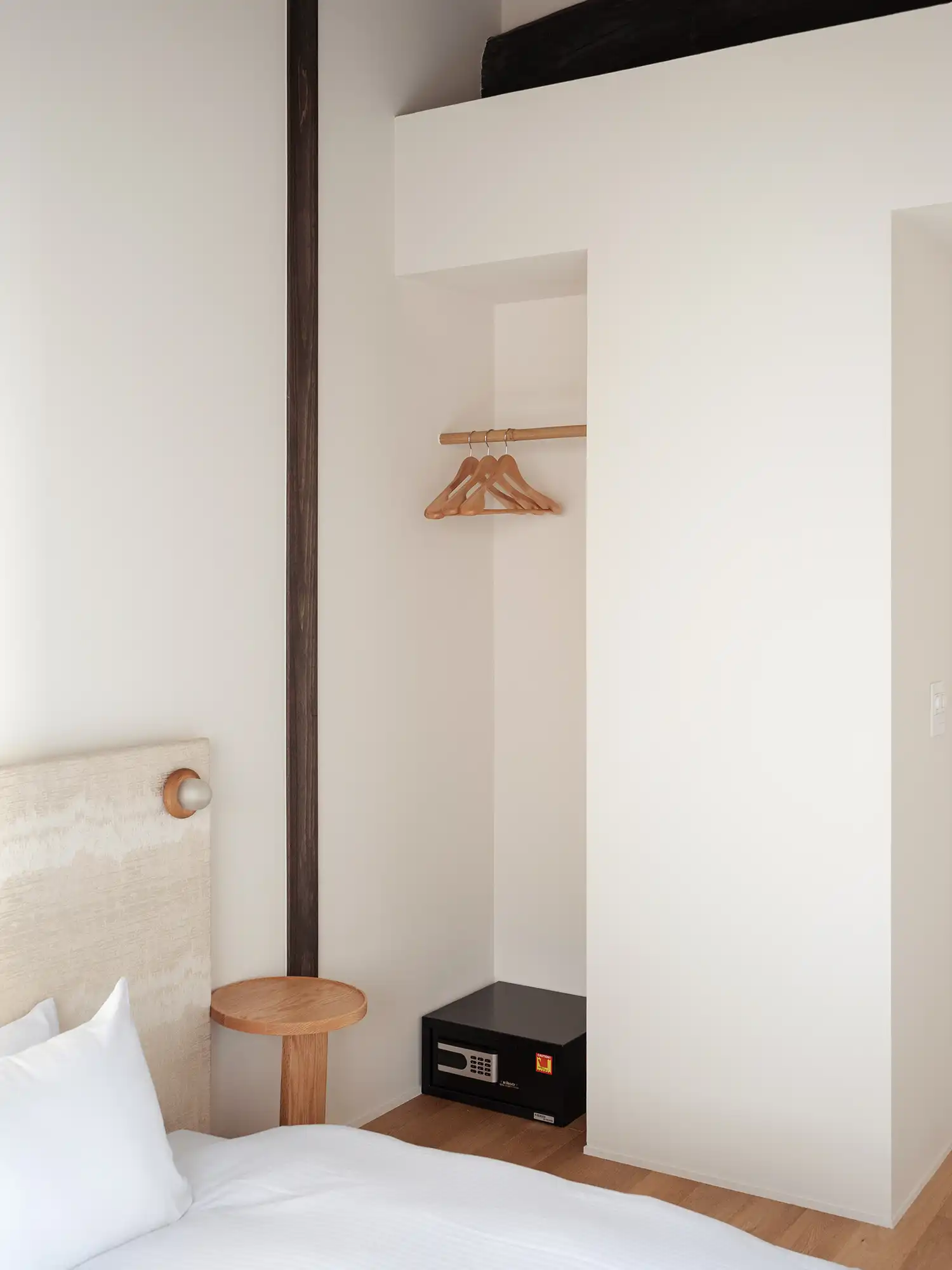
Wakaba features two western-style bedrooms, each with a king bed, and two tatami rooms, with original wooden beams and walls finished in textured washi paper. With four bedrooms spread across two floors, this machiya house comfortably accommodates families, groups of friends, or a special occasion trip.
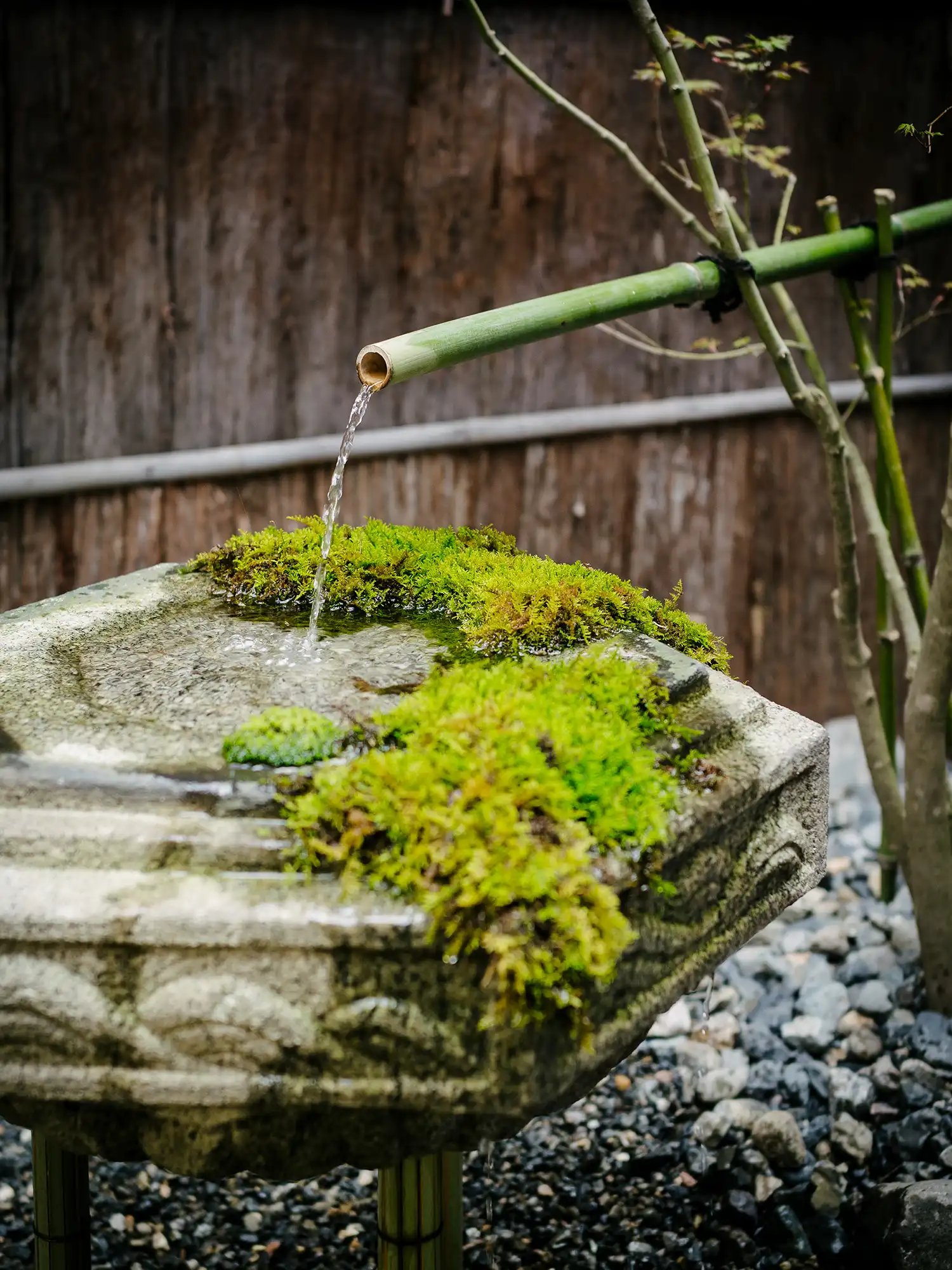
A little background on how ‘Wakaba‘ earned its name: The courtyard garden of this machiya is planted with green bamboo and young maple, two plants long considered auspicious in Japan, symbolizing prosperity and new beginnings. Green is deeply rooted in traditional Japanese color culture, reflected in shades such as wakaba-iro (young leaf green). We named this machiya “Wakaba,” meaning young leaves, hoping that each visit leaves guests with a sense of fresh discovery, much like the first green of spring.